
Laparoscopic Ileal Interposition (Type 2 Diabetes Surgery)
Metabolic Surgical Solution Eliminating Insulin and Medication Dependence
Clinical Operation Parameters
Medical Review & Assigned Surgical Faculty


Surgical Methodology & Care Protocol
Transposition of the distal ileum triggers rapid GLP-1 hormone release, activating the pancreas to produce its own insulin and normalizing blood glucose levels.
FDA-Approved Smart Stapling & Triple Leak-Test Protocol — Medtronic™, Ethicon™ & Spatz3®
In bariatric and metabolic diabetes surgery, we pair adaptive three-row titanium stapling platforms with a rigorous three-stage intraoperative leak verification protocol.
Medtronic™ Signia™ Tri-Staple™ & Ethicon™ Echelon™
Adaptive Tissue Compression Sensing • Graduated 3-Row Titanium Staple Line • Microvascular Perfusion Safety
- Tri-Staple™ graduated three-row titanium geometry adapts to varying gastric wall thickness while maintaining blood supply at the staple line.
- Signia™ powered smart handle measures tissue resistance in real time to optimize compression and firing speed.
- Exclusively single-use, barcoded FDA-cleared and CE-marked reloads documented in the operative record.
Triple Intraoperative Leak-Test & FDA/CE Intragastric Systems
1. Air-Insufflation Test • 2. Methylene Blue Dye Check • 3. Contrast Fluoroscopy & Spatz3® / Allurion®
- Full-length seromuscular oversewing with V-Loc™ barbed suture followed by multi-stage intraoperative air and methylene blue leak testing.
- Non-surgical endoscopic options feature FDA-approved adjustable Spatz3® (12-month) and CE-marked swallowable Allurion® balloons.
- Structured bariatric nutrition, endocrinology, and internal medicine follow-up for sustainable metabolic remission.
Bariatric & Metabolic Comparison: Gastric Sleeve vs Gastric Bypass / Transit Bipartition vs Gastric Balloon
Clinical stratification by Body Mass Index (BMI), Type 2 Diabetes status, gastroesophageal reflux, and metabolic goals.
| Clinical Parameter | Laparoscopic Gastric Sleeve | Gastric Bypass / Transit Bipartition | Endoscopic Gastric Balloon |
|---|---|---|---|
| Primary Clinical Indication | BMI ≥ 35 (or ≥ 30 with comorbidities) seeking gastric volume restriction and ghrelin hormone suppression | Obesity accompanied by insulin-resistant Type 2 Diabetes, severe GERD, or complex metabolic syndrome | Overweight or Class I obesity (BMI 27–35) seeking incisionless non-surgical satiety assistance |
| Core Technology & Biomaterial | Medtronic™ Tri-Staple™ / Ethicon™ 3-row titanium stapling preserving native intestinal continuity | Combined restrictive + incretin (GLP-1 / PYY) intestinal modulation for glycemic & weight control | FDA-approved adjustable Spatz3® (12-month) or swallowable CE-marked Allurion® (4–6 month) balloon |
| Anesthesia & Procedural Protocol | Keyhole laparoscopy under general anesthesia (45–75 min) + 2–3 nights inpatient hospital monitoring | Keyhole laparoscopy under general anesthesia (90–150 min) with triple leak check + 3 nights stay | Incisionless 15–20 min twilight endoscopic placement (or swallowable capsule) on an outpatient basis |
| Clinical Recovery & Return to Routine | 5–6 day Istanbul clinical stay; return to light desk activities within 7–10 days | 6–7 day Istanbul stay; structured dietitian & endocrine follow-up with routine return in 10–14 days | 2–3 day short visit; normal daily activities resume following 48–72 hours of gastric adaptation |
| Structural Longevity & Certification | Sustained long-term excess weight loss; triple leak-test protocol & lot-traceable FDA/CE cartridges | High clinical Type 2 Diabetes remission durability in ICU-accredited multidisciplinary hospitals | Fully reversible non-surgical bridge paired with structured nutritional habit coaching |
Clinical parameters are provided for medical education; the definitive surgical or restorative protocol is determined after specialist examination and 3D diagnostic imaging.
Day-by-Day Treatment Schedule (What to Expect)
Your 7-day bariatric surgery & comprehensive recovery itinerary in Istanbul.
Arrival & VIP Hotel Check-in
VIP chauffeur airport reception, luxury hotel check-in, and relaxed evening.
Multi-Disciplinary Screenings & Pre-Op
Cardiology, pulmonology, ultrasound, endoscopy, comprehensive blood work, and surgical clearance.
Laparoscopic Surgery & Hospital Suite
Minimally invasive laparoscopic procedure; admission to private luxury hospital suite with specialist nursing care.
Blue Dye Leak Test & Early Mobility
Diagnostic leak safety test, walking mobilization protocol, and gradual commencement of sips of water.
Dietitian Masterclass & Hotel Transfer
1-on-1 nutritional guidance, 12-month dietary recovery kit delivery, discharge and VIP transfer to hotel.
Final Evaluation & Airport Departure
Final surgical inspection, fit-to-fly documentation, and VIP chauffeur transfer to the airport.
- Surgery Duration
- 3 - 4 Hours
- Anesthesia Type
- General Anesthesia
- Hospital Stay
- 4 Nights VIP Suite
- Istanbul Stay
- 8 Days
VIP Chauffeur Transfers
Airport, 5-Star Hotel & Hospital
5-Star Luxury Hotel Stay
Breakfast & Recovery Suites in Istanbul
Personal Medical Host
24/7 Dedicated Care in Your Language
How Is The Surgery Performed?
Explore step-by-step how our board-certified surgeons perform this procedure in A-Plus hospital standards through realistic 3D medical animation and interactive surgical simulation.
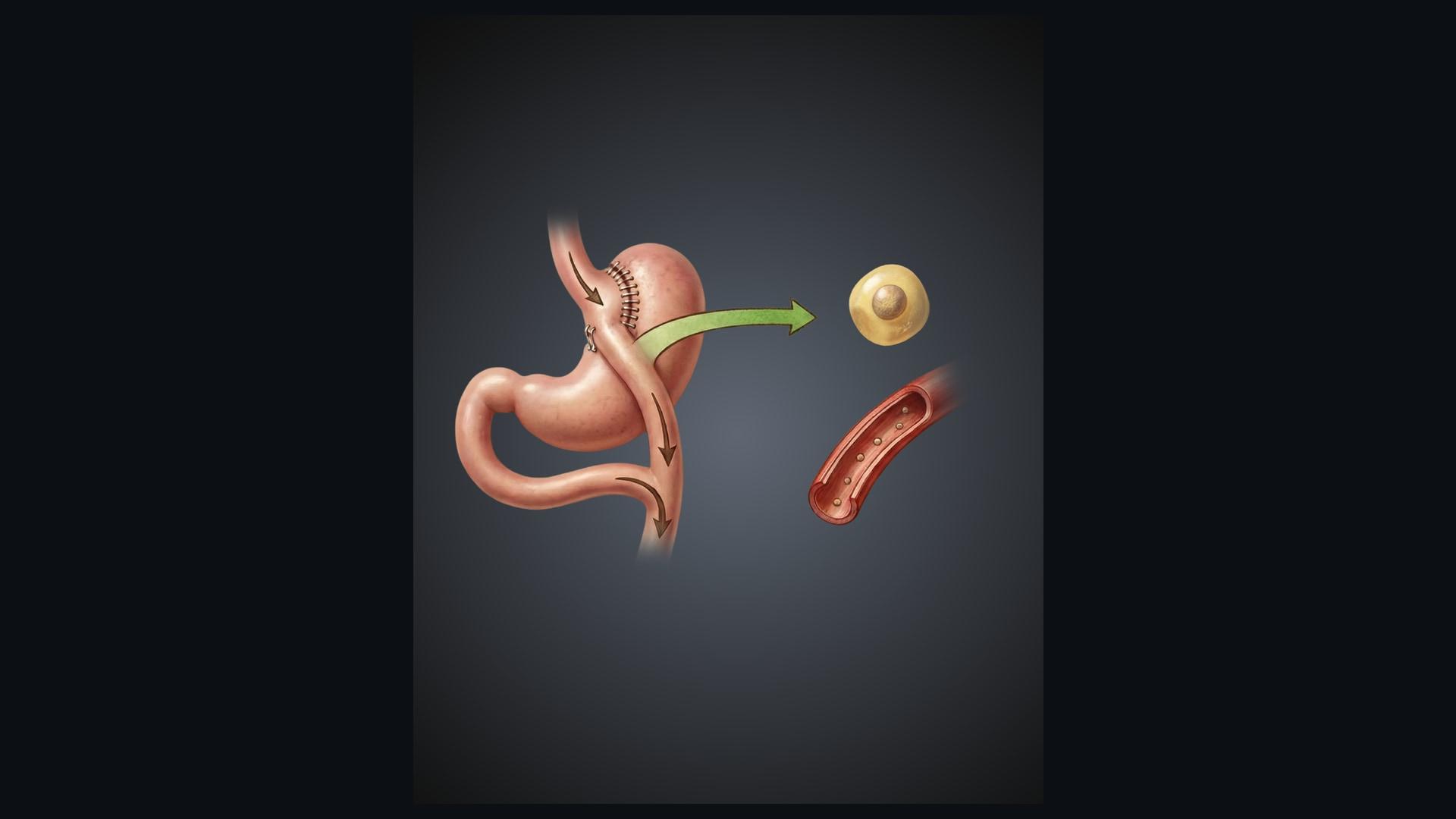
Laparoscopic Ileal Interposition for Type 2 Diabetes Simulation
Modulating Stomach Capacity & Ghrelin Production
Performing a gentle sleeve gastrectomy with smart endostaplers to lower ghrelin levels and optimize metabolic hormones.
World-Class Surgical Care in Istanbul
Discover our state-of-the-art facilities, certified medical specialists, and personalized patient care protocols in Istanbul.

One Clinic Medical Faculty
Istanbul, Turkey • One Clinic Istanbul | International Surgical Center
Laparoscopic Ileal Interposition (Type 2 Diabetes Surgery) Surgical Procedure & Recovery Guide
Complete surgical methodology, technique comparison, and aftercare recovery protocol prepared by One Clinic medical board.
What Is Ileal Interposition Surgery?
Ileal interposition surgery is a metabolic and bariatric procedure in which a segment of the small intestine (the ileum) is positioned closer to the stomach. This reconfiguration alters the way food passes through the digestive system, triggering hormonal changes that increase insulin sensitivity and improve blood‑glucose control. The surgery is highly effective in managing type 2 diabetes and achieving significant weight loss.
Eliminate Diabetes with Ileal Interposition Surgery
One of the most important benefits of ileal interposition surgery is its ability to help patients with type 2 diabetes manage their dependence on insulin, or even eliminate the need for insulin altogether:
Before Ileal Interposition Surgery – Important Preoperative Instructions
Preparation for ileal interposition surgery is crucial to achieve a successful outcome. Here’s how you should prepare:
Postoperative care is essential for a smooth recovery and to obtain the best results from ileal interposition surgery in Istanbul:
Who Is Suitable for Ileal Interposition Surgery?
Ileal interposition surgery is designed for individuals battling type 2 diabetes and obesity. Ideal candidates include:
How much weight can you lose with ileal interposition surgery?
Ileal interposition surgery promotes significant and sustainable weight loss in addition to the benefits for type 2 diabetes:
Anesthesia Used for Ileal Interposition Surgery
At ONE CLINIC, ileal interposition surgery is performed under general anesthesia:
Recovery Time for Ileal Interposition Surgery
The recovery process for ileal interposition surgery typically follows these stages:
Why Choose ONE CLINIC in Istanbul for Your Transit Bipartition Surgery?
At ONE CLINIC, we offer transit bipartition surgery, developed with the latest technologies, to help you defeat type 2 diabetes and achieve long‑term weight loss. Our team of expert surgeons, nutrition specialists, and support staff is committed to providing comprehensive care—from the initial consultation through post‑operative support—to ensure you attain the best possible outcomes. If you are ready to take control of your health and overcome diabetes, ONE CLINIC in Istanbul is your trusted partner on this life‑changing journey.
Who Is a Candidate for Transit Bipartition Surgery?
Transit bipartition surgery is designed for patients battling type 2 diabetes and obesity. Ideal candidates include:
How Much Weight Can You Lose with Transit Bipartition Surgery?
Transit bipartition surgery not only helps manage type 2 diabetes but also supports significant weight loss:
One Clinic 6-Step International Patient Journey
Our accredited protocol prioritizes your safety and comfort at every stage, from airport arrival to safe return home.
VIP Reception & File Prep
Private VIP vehicle transfer from Istanbul Airport and creation of your comprehensive medical record.
Native Language Medical Host
Dedicated translator attends all consultations, exams, and explains every clinical step in your native language.
Clinical Tests & Radiology
Pre-op blood panels, cardiology clearance, anesthesia assessment, and comprehensive digital screenings.
Certified Nursing Care
Personalized pre-op care, vital monitoring, and sterile patient preparation by experienced nurses.
Precision Surgery
Execution of the surgical plan in internationally accredited Class-A hospital suites by board-certified specialists.
Post-Op Clearance & Care
Final evaluation by your surgeon, delivery of personalized medication sets, compression garments, and fit-to-fly clearance.
Where Will You Be in 1 Year? See for Yourself.
Enter your height and weight to simulate your projected weight loss and metabolic transformation at 1, 3, 6, and 12 months post-surgery.
Estimated Total Weight Loss
108 kg → 75 kg (in 12 Months)
Month-by-Month Weight & Recovery Curve
Click on any milestone to view your projected weight and clinical health milestones.
Target healthy BMI achieved, long-term metabolic stabilization, and renewed vitality.
* Calculated results are based on international IFSO clinical EWL averages. Actual weight loss may vary based on age, genetics, and post-op compliance.
In Surgery & Aesthetics: Myth or Fact?
Common taboos, misconceptions, and the scientific clinical truths verified by our board-certified surgeons.
“A few years after gastric sleeve surgery, my stomach will stretch back to its original size and all lost weight will return.”
During a gastric sleeve, the fundus—the area producing the hunger hormone Ghrelin—is permanently removed. The remaining sleeve-shaped stomach preserves normal elasticity but never regains its original volume. With our 12-month dietitian care, weight loss remains permanent.
“After bariatric surgery, you have to survive on liquids forever and live with constant starvation.”
The liquid phase only lasts 2-3 weeks while internal incisions heal. By week 4, patients transition to soft purées and then regular solid meals. You feel comfortably full on small portions, and hormonal hunger spikes are resolved.
“Bariatric surgery leaves massive, highly visible abdominal scars across your stomach.”
We perform laparoscopic surgery through only 4 tiny puncture holes (5-10 mm each). Using dissolvable cosmetic sutures and advanced scar-reduction protocols, marks fade almost completely into skin tone within 6-12 months.
Laparoscopic Ileal Interposition (Type 2 Diabetes Surgery) Frequently Asked Questions
Answers from chief surgeons regarding consultation, procedure comfort, and aftercare.
Related Clinical Guides & Expert Articles
Comprehensive insights on surgical protocols, recovery timelines, and international patient care.
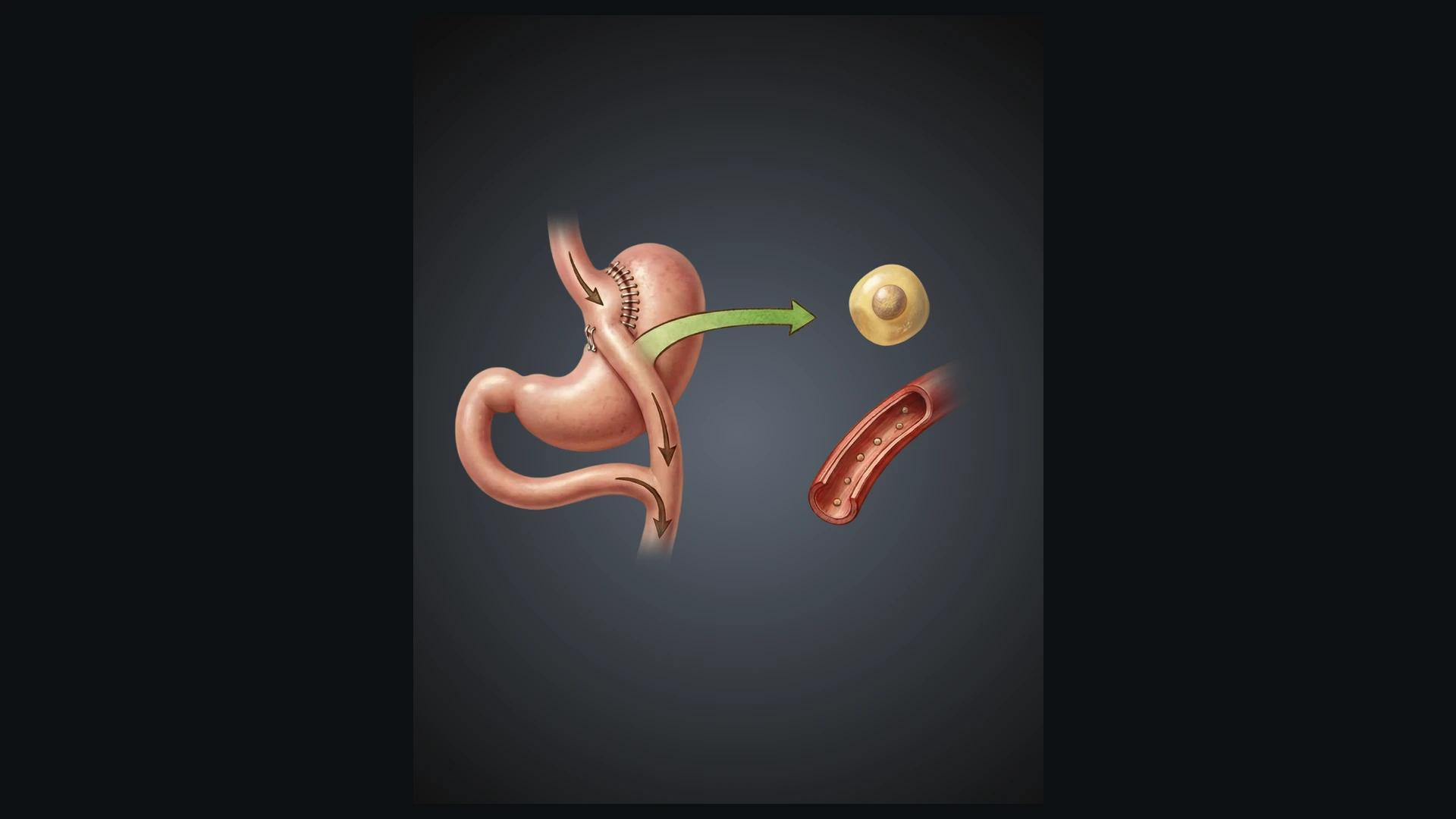
Type 2 Diabetes Metabolic Surgery: Transit Bipartition, Ileal Interposition & HbA1c Remission
An endocrine-surgical analysis of Laparoscopic Transit Bipartition and Ileal Interposition for uncontrolled Type 2 Diabetes, detailing endogenous GLP-1 incretin activation, C-peptide beta-cell reserve testing, and HbA1c remission.
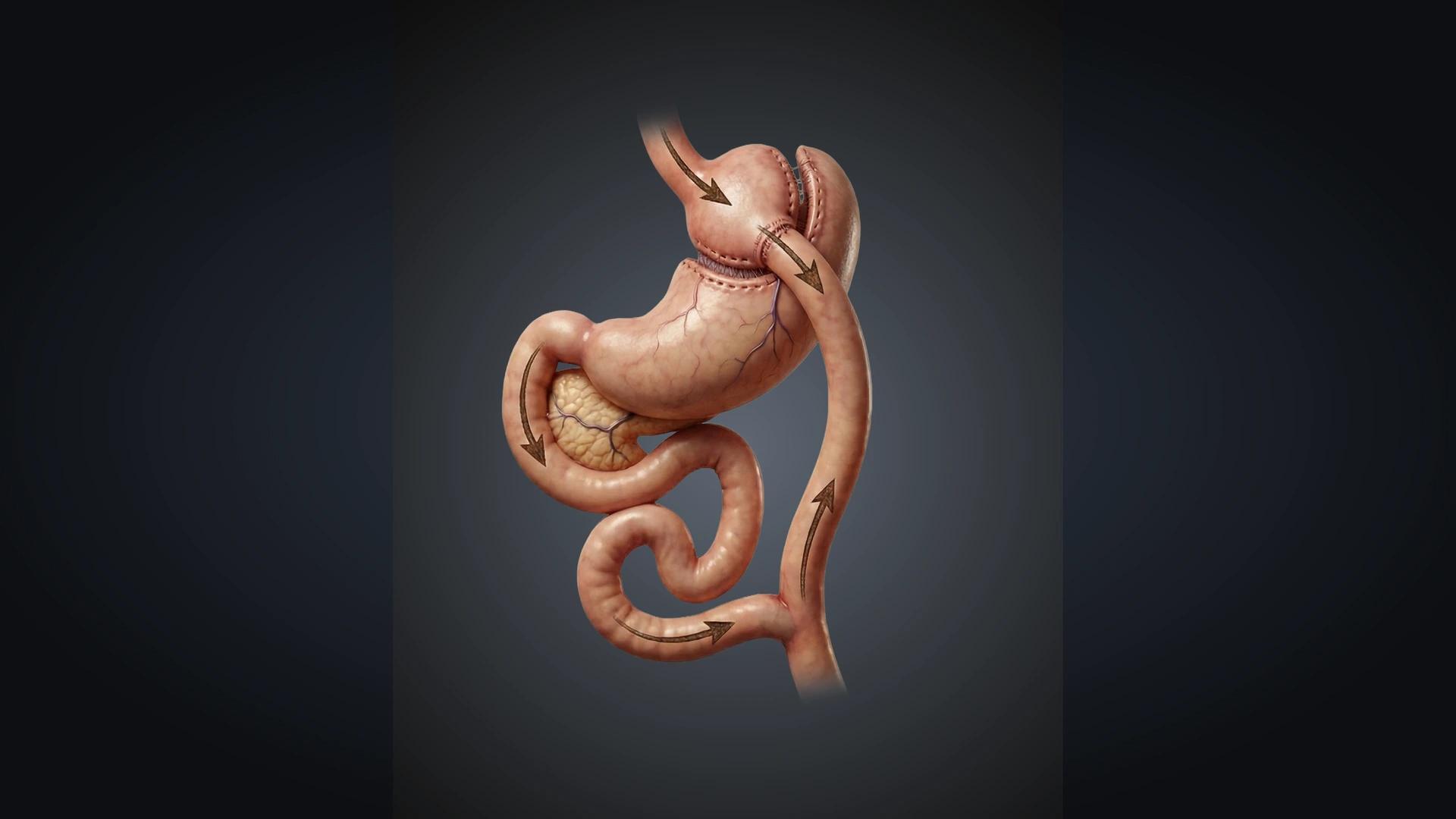
Gastric Sleeve vs. Gastric Bypass: BMI Eligibility, Safety & Recovery Guide
Surgeon-authored comparison of Laparoscopic Sleeve Gastrectomy, Roux-en-Y Gastric Bypass, and Gastric Balloon procedures, covering IFSO BMI thresholds, FDA Tri-Staple™ triple leak testing, and the 4-phase bariatric nutrition protocol.
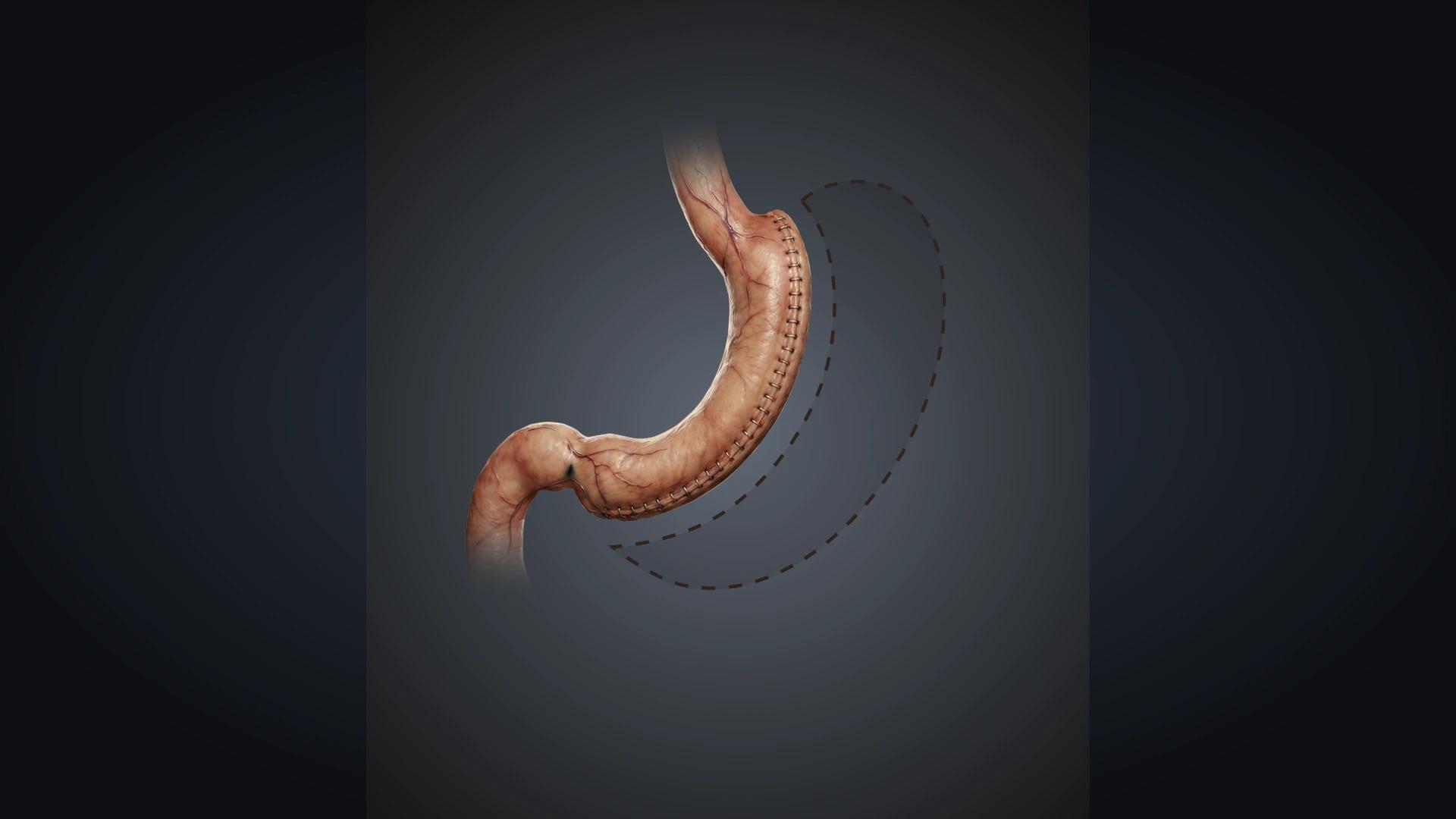
Hair Loss After Gastric Sleeve or GLP-1 Weight Loss: Causes, Recovery & Restoration
Medical review of acute telogen effluvium 3 to 6 months after sleeve gastrectomy or GLP-1 therapy, ferritin and 60-80 g protein targets, unmasking of pattern alopecia, and 12-month post-bariatric hair transplant timing.
Related Procedures in This Medical Department
Explore clinical guides, surgical techniques, and recovery timelines for sister procedures within the same specialty.
* Medical Disclaimer: Surgical information, recovery timelines, and clinical metrics on this page are provided for general educational purposes only and do not substitute for a formal physician consultation. All medical procedures are performed by licensed specialist surgeons in accredited A-Plus hospital facilities.
Ready to Claim Your Free Surgical Assessment?
Send your photos confidentially. Receive a comprehensive medical evaluation, transparent all-inclusive quote, and customized VIP itinerary from our surgical committee.