
Hair Loss After Gastric Sleeve or GLP-1 Weight Loss: Causes, Recovery & Restoration
Medical review of acute telogen effluvium 3 to 6 months after sleeve gastrectomy or GLP-1 therapy, ferritin and 60-80 g protein targets, unmasking of pattern alopecia, and 12-month post-bariatric hair transplant timing.
Bariatrik Cerrahi & Trikoloji Konseyi
In This Clinical Guide
Why rapid weight loss triggers acute telogen effluvium between months 3 and 6
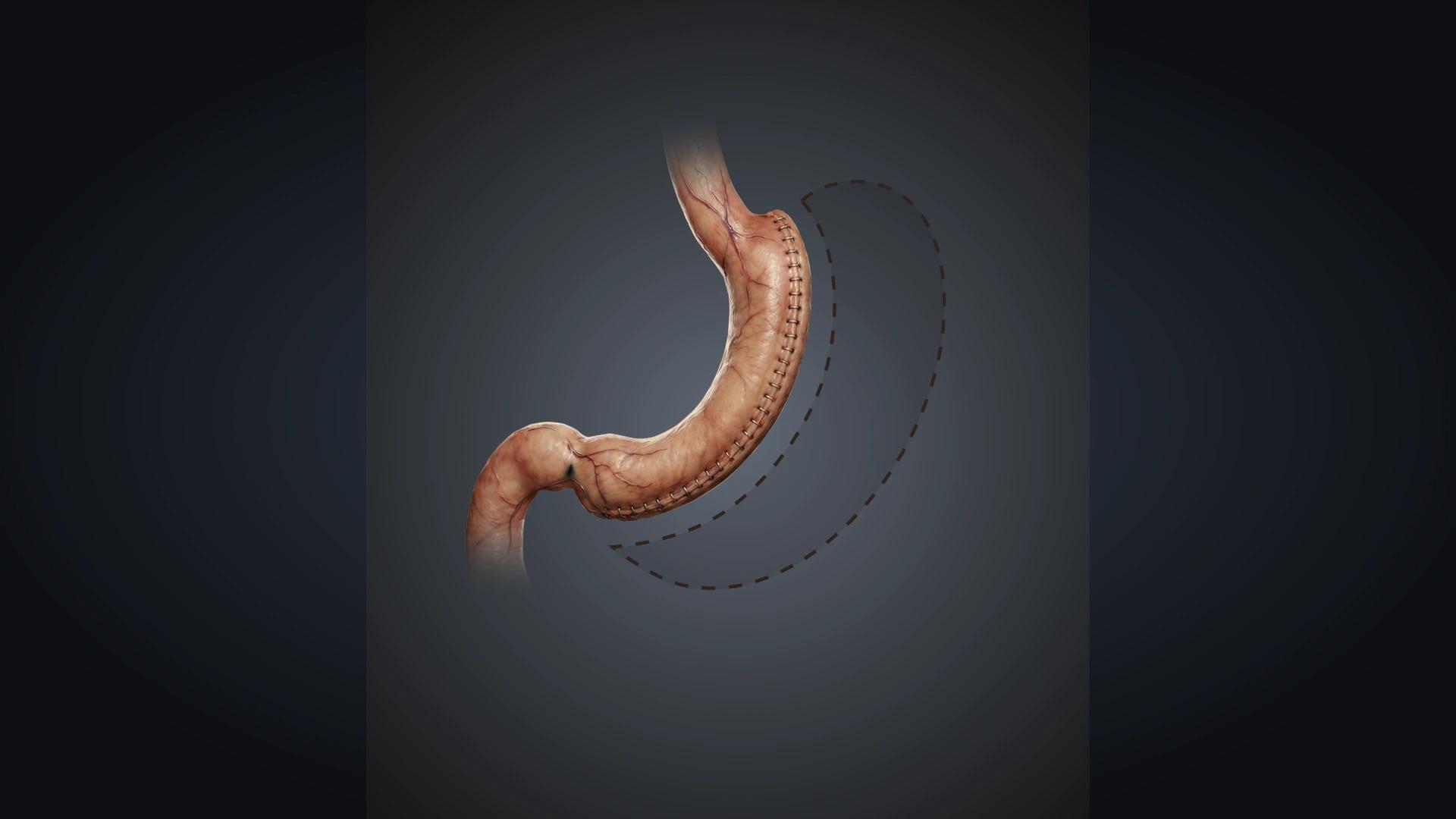
Substantial weight reduction achieved through metabolic bariatric surgery or GLP-1 receptor agonist medications such as semaglutide and tirzepatide resolves insulin resistance and visceral adiposity, yet many patients notice sudden diffuse hair shedding around the third month. Following laparoscopic gastric sleeve surgery or rapid pharmacological appetite suppression, this shedding reflects a synchronized hair cycle shift known clinically as acute telogen effluvium, leaving the underlying follicle stem cells alive.
Under steady caloric intake, roughly 85% to 90% of human scalp follicles remain in active anagen growth while 10% to 15% sit in the resting telogen phase. Steep early caloric restriction, surgical stress, rapid mobilization of adipose stores, and shifting neuroendocrine signals prompt the body to ration amino acids and trace minerals toward vital organs. In response, 30% or more of dividing anagen hair bulbs enter premature rest at the same time. Because a resting telogen club hair stays anchored inside its follicular canal for 90 to 100 days before a nascent hair shaft pushes it out, shedding rarely appears right after surgery; visible hair fall in the shower and brush peaks between months 3 and 6 while the dermal papilla remains intact beneath the skin.
Essential blood panel targets and the 60 to 80 gram daily protein baseline
Resecting the gastric fundus reduces stomach volume, hydrochloric acid output, and intrinsic factor availability, while GLP-1 agonists slow gastric emptying and sharply curb meal volume. Because hair shafts consist of nearly 90% disulfide-bonded keratin protein, inadequate protein or micronutrient absorption slows mitotic division inside the hair matrix unless clinicians monitor targeted blood panels throughout the first year.
- Daily dietary protein intake of 60 to 80 grams from complete leucine- and cysteine-rich sources supplies the structural sulfur amino acids needed for keratin cross-linking.
- Serum ferritin (iron storage) requires closer scrutiny than standard anemia cutoffs; hair matrix proliferation typically performs best when ferritin stays at or above 50 to 70 ng/mL alongside normal transferrin saturation.
- Serum zinc supports DNA polymerase activity inside rapidly dividing bulb keratinocytes and should be balanced carefully so excess zinc supplementation does not deplete serum copper.
- Vitamin B12 and folate sustain red blood cell oxygen delivery and nucleic acid synthesis at the base of the follicle.
- 25-hydroxyvitamin D3 binds receptors along the outer root sheath that help cycle resting follicles back into active anagen growth.
- Thyroid function testing (TSH, free T3, free T4) catches shifts in peripheral T4-to-T3 conversion or medication dosing adjustments that frequently accompany major weight change.
Separating temporary diffuse shedding from unmasked androgenetic alopecia
Uncomplicated acute telogen effluvium thins hair evenly across the frontal, parietal, and occipital scalp, produces white club-shaped bulbs on gentle pull testing, and resolves steadily as body weight levels off between months 9 and 12, sending up short upright regrowth hairs along the part line. Rapid shedding can, however, unmask quiet male or female pattern androgenetic alopecia that was previously camouflaged by fuller surrounding hair volume.
At One Clinic Istanbul, joint assessment by our bariatric and trichology specialists uses high-magnification digital trichoscopy to separate the two diagnoses. Pure telogen shedding displays uniform shaft diameters across scalp zones alongside empty follicular ostia preparing for new anagen sprouts. Underlying androgenetic alopecia reveals hair shaft diameter diversity exceeding 20% (anisotrichosis), miniaturized vellus-like hairs, and predominance of single-hair units concentrated across the bitemporal hairline, vertex crown, or central female part while occipital thickness remains preserved.
Supportive scalp care versus permanent restoration after 12 months of stability
Performing surgical hair transplantation during active catabolic weight loss between months 3 and 9 exposes transplanted grafts to nutritional scarcity and risks placing incisions among follicles that would have recovered naturally by month 12. During the first post-operative year, medical management focuses on normalizing ferritin, zinc, B12, folate, and vitamin D3 levels, hitting 60 to 80 grams of daily protein, and offering physician-directed autologous scalp biostimulation to support re-emerging anagen follicles.
Transplanted follicles thrive only in a metabolically settled host; waiting at least 12 months until weight plateaus and blood biomarkers stabilize protects both native recovery and surgical graft survival.
Once at least 12 months have elapsed since bariatric surgery (or body weight has held a steady plateau for several months following GLP-1 titration) and repeat blood panels confirm stable nutritional and thyroid reserves, persistent pattern recession becomes eligible for post-bariatric hair transplantation. Surgeons select Sapphire FUE micro-channel placement for broad frontal hairline reconstruction or unshaven DHI using Choi implanter pens to restore central-part or temple density between existing long hairs without shaving the recipient zone. Operating under Republic of Türkiye Ministry of Health International Health Tourism Authorization AK-1339, One Clinic Istanbul formulates every restorative plan individually after reviewing metabolic laboratory panels and digital donor trichoscopy.
Frequently Asked Clinical Questions
Direct medical answers to the questions international patients ask most before treatment.
Why does hair shedding usually begin 3 to 6 months after gastric sleeve surgery or starting GLP-1 therapy?
Steep caloric restriction and metabolic adaptation push a portion of active anagen follicles prematurely into the resting telogen phase, and those resting hairs remain anchored in the follicle canal for roughly 90 to 100 days before shedding as new growth forms underneath.
Which blood panel markers and daily protein targets matter most during recovery?
Clinicians track daily dietary protein intake between 60 and 80 grams alongside serum ferritin, zinc, vitamin B12, folate, 25-hydroxyvitamin D3, and thyroid hormones (TSH, free T3, free T4) so dividing hair matrix cells receive adequate amino acids and cofactors.
How do physicians distinguish temporary telogen effluvium from pattern androgenetic alopecia?
Digital trichoscopy evaluates shaft caliber across scalp regions; pure telogen effluvium causes even diffuse thinning that rebounds between months 9 and 12, whereas androgenetic alopecia shows over 20% hair shaft diameter variation and localized miniaturization at the hairline, temples, or crown.
How soon after bariatric surgery is Sapphire FUE or unshaven DHI hair transplantation medically indicated?
Permanent follicular restoration is scheduled at least 12 months post-operatively, once body weight has stabilized out of catabolic loss and repeat blood panels confirm steady ferritin, protein, micronutrient, and thyroid baselines.
Clinical Governance Notice (AK-1339)
This publication is authored for general medical education and does not substitute for an in-person clinical examination, diagnostic imaging, or individualized surgical clearance.
Prof. Dr. Muzaffer & Dr. Emre
Medical Board ReviewedBariatrik Cerrahi & Trikoloji Konseyi
Our board-certified surgeons and specialists at One Clinic Istanbul deliver evidence-based aesthetic, dental, and reconstructive care in A-Plus accredited hospital suites (License AK-1339).
Questions & Answers
Ask our surgeons and specialists any questions regarding this article and procedure.
Patient Questions & Doctor Answers0
During Your Medical Stay, What to Do in Istanbul?
Your journey with One Clinic is more than just world-class medical procedures. Explore doctor-approved sightseeing, luxury shopping, and serene recovery walks across the mesmerizing crossroads of Europe and Asia.

Hagia Sophia & Historic Sultanahmet Peninsula
With 1,500 years of architectural splendor, Hagia Sophia and the iconic Blue Mosque offer an awe-inspiring, flat-surface cultural stroll ideal for pre-op days or gentle post-op recovery walks.

Private Bosphorus Yacht Cruise & Waterfront Mansions
A relaxing private yacht cruise across the legendary Bosphorus separating Europe and Asia. Requiring zero physical exertion, it provides soothing marine air and magnificent views during recovery.
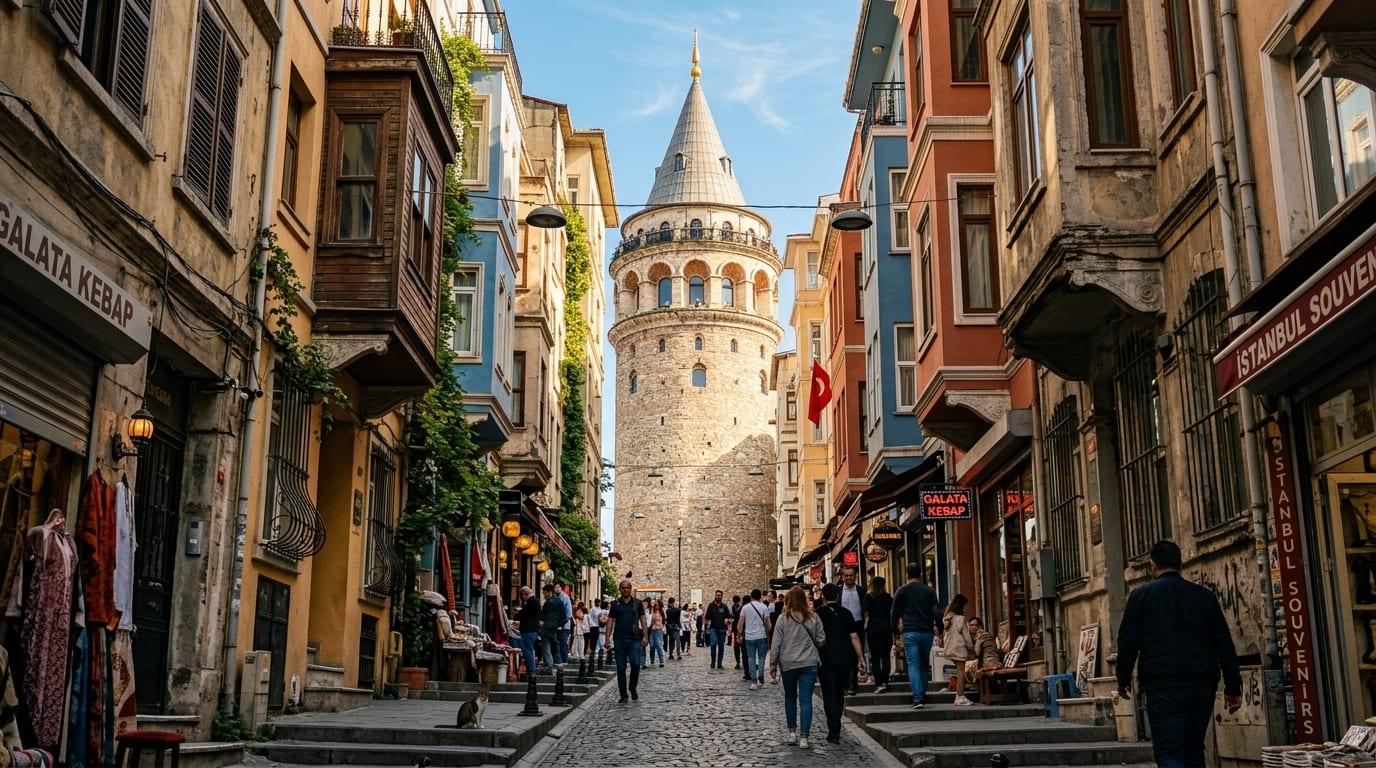
Galata Tower & Bohemian Karaköy Art Streets
The historic Genoese Galata Tower, sweeping Golden Horn vistas, and Karaköy's vibrant boutique cafes offer a picturesque setting for light walks and stylish cafe downtime.

Grand Bazaar & Egyptian Spice Bazaar
Step into the world's oldest and largest covered shopping labyrinth with over 4,000 artisan shops featuring authentic gold jewelry, Turkish delight, fine silks, and handcrafted carpets.

Nişantaşı & Abdi İpekçi Luxury Fashion Avenue
Istanbul's premier luxury fashion and design quarter. Featuring world-renowned flagship houses (Chanel, Gucci, Hermès), private galleries, and gourmet bistros for a VIP leisure afternoon.

Bosphorus Waterfront Gourmet Dining & Baklava Tasting
Savor warm pistachio baklava from historic Karaköy artisans, authentic sand-brewed Turkish coffee, and Michelin-guide fresh seafood along the sparkling Bosphorus shoreline.

Gülhane Park & Emirgan Botanical Recovery Walks
Serene botanical gardens beneath centuries-old plane trees with refreshing Bosphorus breezes—ideal for the light, oxygen-rich walks recommended by our surgeons to promote natural healing.
One Clinic Dedicated VIP Concierge & Chauffeur
All international health packages include private luxury VIP vehicle transfers, 5-star hotel accommodations, and dedicated multilingual patient coordinators guiding your medical and leisure journey.
Related Clinical Guides
Zirconia crowns for front teeth: pros and cons
When it comes to restoring damaged or discolored front teeth, aesthetics and durability are equally important. Zirconia crowns for front teeth have become one of the most popular choices in modern cosmetic dentistry.
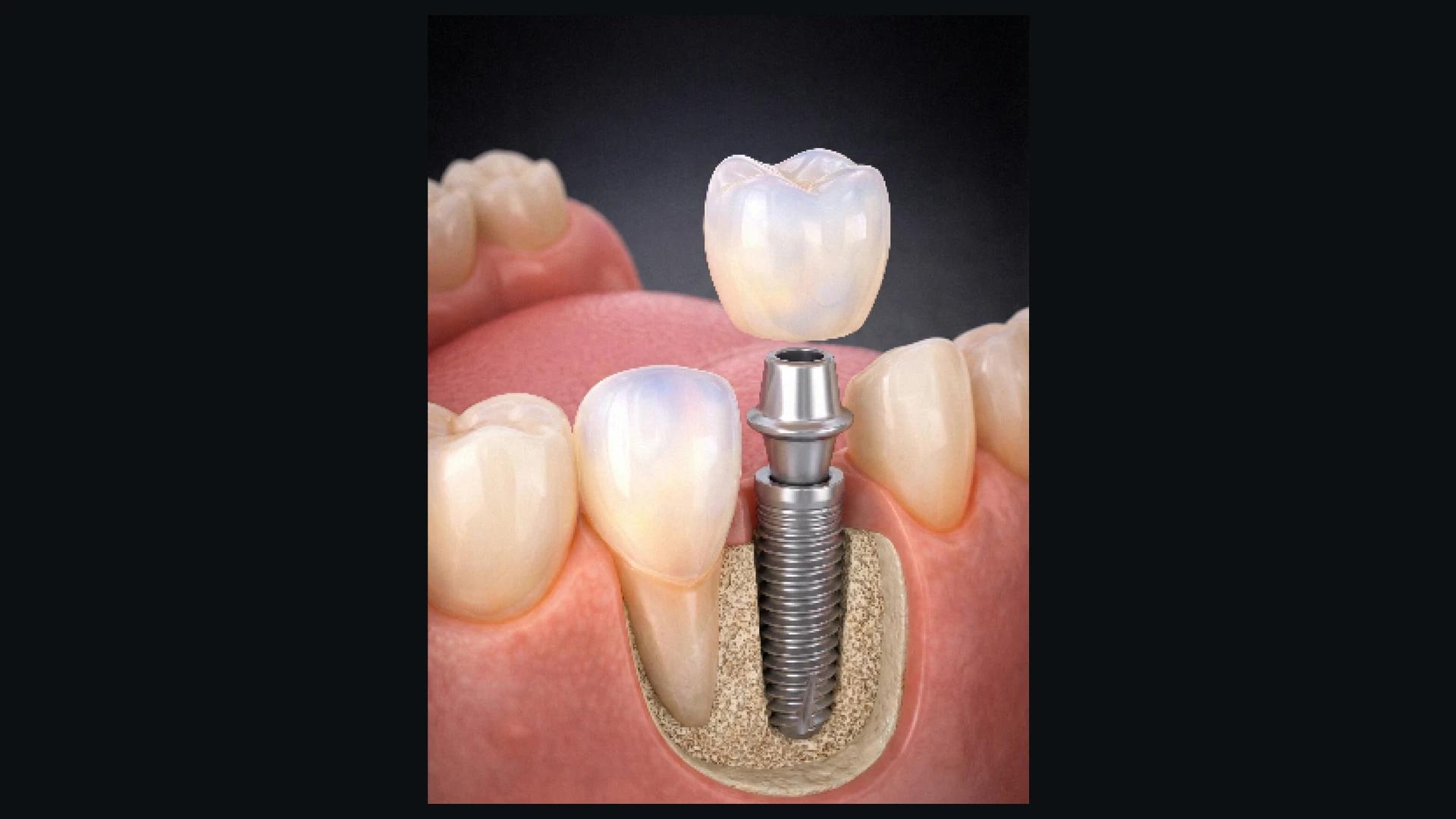
Immediate Dental Implants: Are They Suitable for Everyone? Pros, Cons, and Costs
Tooth loss is a major hurdle that impacts your quality of life, from making chewing difficult to reducing your confidence when smiling. With modern advancements in dentistry, you no longer have to wait several months to get new teeth.
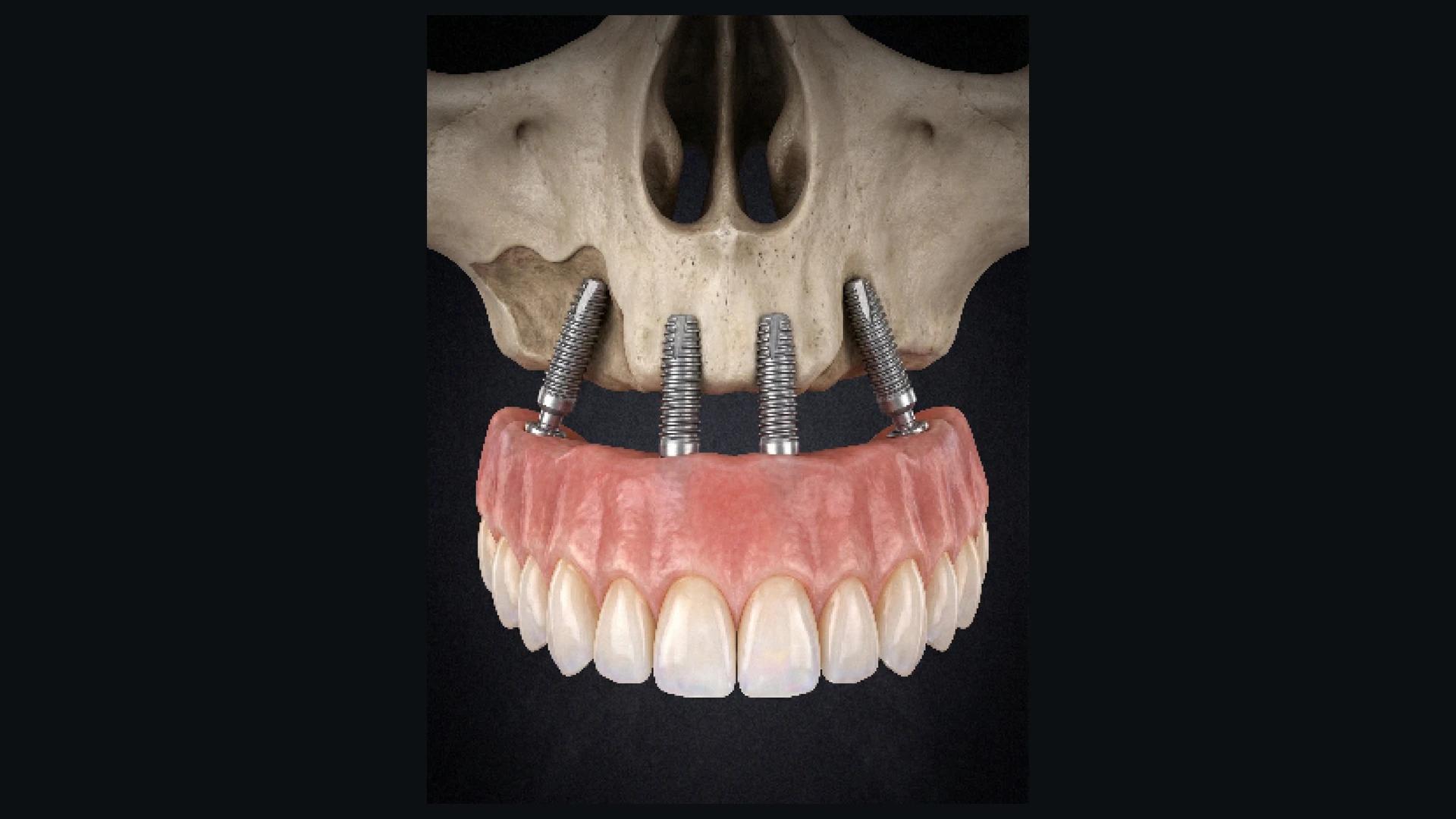
How Long Do Dental Implants Last? Lifespan, Success Rate & Expert Tips
One of the first questions patients ask before choosing dental implant treatment is: The good news is that dental implants are one of the longest-lasting tooth replacement solutions available today. With proper care and professional placement, many implants can last 20 years, 30 years, or for many decades long-term.