
Micro-Prep Veneers vs. Full Crowns: How Enamel-Preserving Smile Design Works
The dental anatomy behind social media shaved-teeth stories, a millimeter comparison of 0.3 to 0.5 mm E.max® micro-prep veneers against 1.2 to 1.8 mm full zirconia crowns, and intraoral mock-up testing.
Estetik Diş Hekimliği & Dijital Gülüş Tasarımı
In This Clinical Guide
Why viral "shaved teeth" stories show 360-degree full-crown reductions
Patients researching smile design abroad often point to viral social media videos where healthy front teeth have been ground down into tiny, pointed pegs. Those clips show aggressive 360-degree full-crown reductions performed on intact incisors and mislabeled online as veneers. Looking at natural tooth histology clarifies why cutting caries-free front teeth into pegs inflicts avoidable biological damage.
Labial enamel on an upper central or lateral incisor measures 0.3 to 0.5 mm near the gumline and thickens to 1.0 to 1.5 mm at the biting edge. Removing 1.5 mm circumferentially around a healthy front tooth strips away the entire protective enamel shell and cuts deep into vital dentin. Every square millimeter of deep dentin exposes tens of thousands of fluid-filled microscopic tubules leading straight to the dental pulp nerve chamber. Opening those tubules triggers hydrodynamic fluid shifts, lingering thermal and bite sensitivity, chronic pulpal inflammation, and avoidable root canal therapy years down the road.
Preserving native enamel also determines long-term adhesive survival. Resin cement bonded to acid-etched hydroxyapatite enamel achieves durable micromechanical retention, whereas moist, collagen-rich dentin yields weaker long-term shear bond stability and higher marginal microleakage over time.
Millimeter comparison: micro-prep E.max® laminate veneers vs. full-contour zirconia crowns
Selecting between a partial veneer and a circumferential crown depends on remaining tooth wall thickness, pulp vitality, occlusal overlap, and underlying stump shade. Across all dental treatments at One Clinic Istanbul, restorative plans are prepared individually tooth by tooth after 3D CBCT tomography and clinical intraoral evaluation.
Micro-prep IPS e.max® lithium disilicate veneers (0.3 to 0.5 mm enamel refinement)
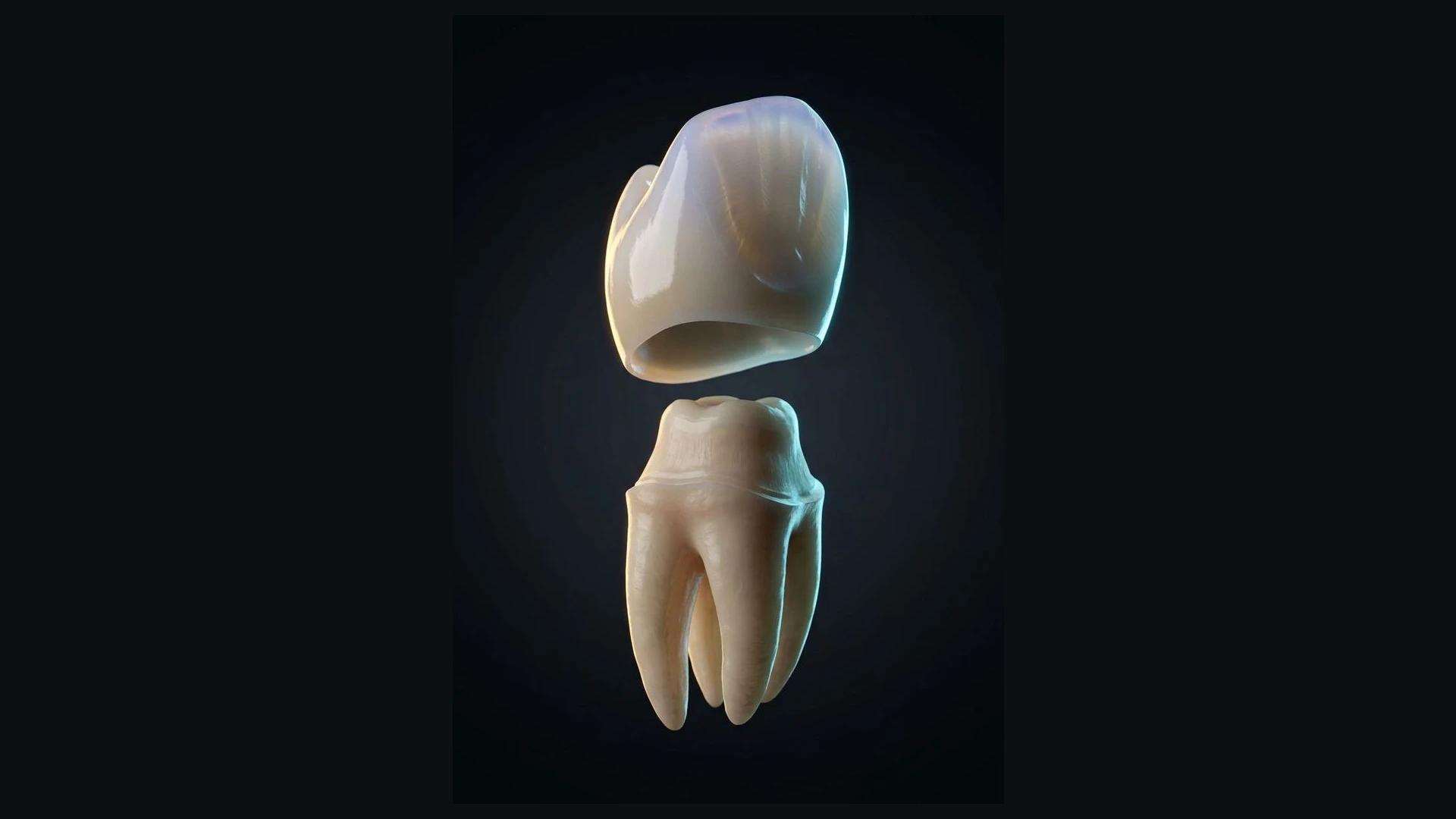
Ultra-thin IPS e.max® laminate veneers require only 0.3 to 0.5 mm of conservative labial enamel refinement, guided under magnification loupes with depth-limiting calibration burs. On teeth with mild diastema spacing, narrow peg-shaped lateral incisors, or worn biting edges, selected areas need virtually zero bur reduction. The palatal enamel surface where lower incisors glide during jaw movements stays untouched. Once hydrofluoric-acid etched and silanated, lithium disilicate glass-ceramic bonds directly to intact enamel, reaching 400 to 500 MPa flexural strength while reproducing natural incisal translucency and internal light refraction.
Full-contour monolithic or layered zirconia crowns (1.2 to 1.8 mm circumferential reduction)
High-strength zirconia crowns require 1.2 to 1.8 mm of 360-degree axial and occlusal clearance so the ceramic wall can wrap and ferrule a compromised tooth. In conservative prosthodontics, full crowns are reserved strictly for four clinical situations:
- Root-canal (endodontically) treated teeth with hollowed access cavities, weakened cusps, or dark devitalized cores that require opaque zirconia masking.
- Teeth carrying large failing composite or amalgam fillings that already replace more than half of the clinical crown volume.
- Severe structural crown fractures, advanced erosive tooth wear, or replacement of old leaking crowns whose enamel was removed in earlier dental work.
- Bridge abutments spanning missing posterior teeth and custom crowns seated over titanium dental implant abutments.
When a patient requires both anterior cosmetic refinement and posterior structural reconstruction, we routinely pair conservative 0.3 to 0.5 mm E.max® veneers on intact front teeth with monolithic zirconia crowns on damaged posterior molars within one shade-calibrated arch.
Digital Smile Design (DSD) and the intraoral silicone mock-up over a 5 to 7 day stay
Predictable enamel conservation begins before a handpiece ever touches the teeth. At One Clinic Istanbul, our single-visit smile design protocol spans 5 to 7 days and calculates preparation depth backward from the approved final tooth contour.
On Day 1, we record a 3D CBCT scan to verify root health and periapical bone, studio facial photographs in relaxed lip posture and full laughter, and a 3D intraoral optical scan. Our digital laboratory builds a 3D virtual wax-up aligned to the interpupillary horizon, lower lip curvature, and gingival zenith symmetry.
Before any diamond bur touches natural enamel, we transfer the 3D design directly onto the unprepped teeth using a precision silicone index and bis-acrylic resin mock-up so the patient tests the new smile live in the mirror.
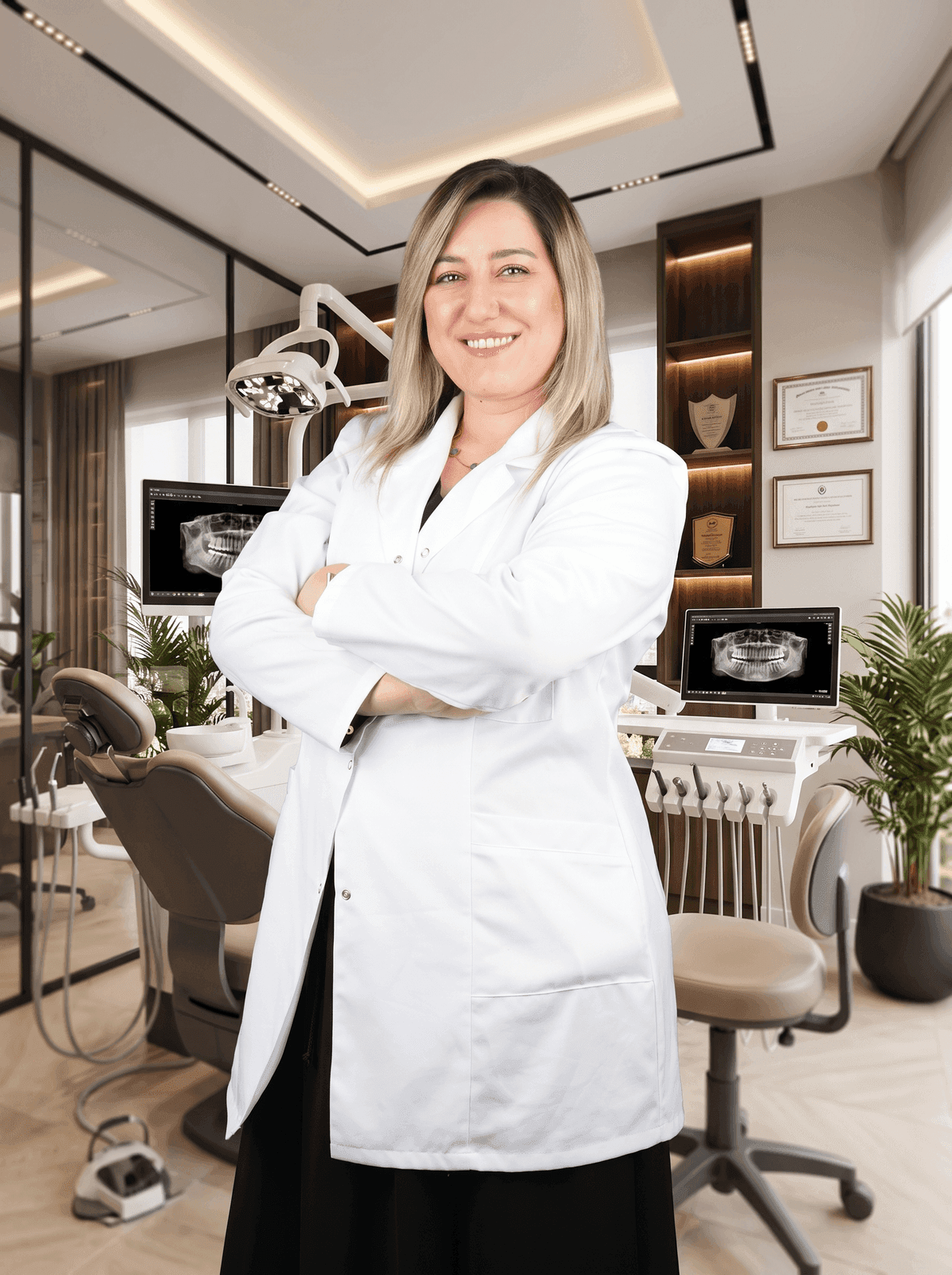
During this Day 2 intraoral mock-up session, Dr. Esranur evaluates tooth length at rest, labiodental phonetics during "F" and "V" sounds, sibilant clearance during "S" pronunciation, and shade value under natural daylight. Once the patient approves every proportion, depth-calibration grooves of 0.3 to 0.5 mm are scored directly through the bis-acrylic mock-up sitting on the teeth. Guiding the bur through the physical mock-up guarantees that native enamel is refined only where space is needed for the final ceramic shell, preventing over-reduction into dentin.
Across Days 3 and 4, master dental ceramists press and hand-characterize the IPS e.max® veneers while the patient wears clean provisional mock-up veneers. On Days 5 to 6 (within the 5 to 7 day stay), each ceramic veneer is previewed on the teeth with water-soluble try-in pastes to verify shade harmony. Under rubber-dam moisture isolation, the veneers are adhesively bonded to etched enamel, gingival margins are polished under magnification, and canine-guided bite contacts are equilibrated digitally.
Frequently Asked Clinical Questions
Direct medical answers to the questions international patients ask most before treatment.
Why do viral social media videos show peg-shaped "shaved teeth", and how do micro-prep veneers avoid this?
Those viral clips show aggressive 360-degree full-crown preparations performed on healthy teeth and mislabeled online as veneers. True micro-prep laminate veneers leave the palatal tooth structure intact and refine only 0.3 to 0.5 mm of outer labial enamel.
What is the millimeter difference between IPS e.max® veneers and full zirconia crowns?
IPS e.max® lithium disilicate veneers require 0.3 to 0.5 mm of conservative front-surface enamel refinement and bond directly to intact enamel. Full-contour zirconia crowns require 1.2 to 1.8 mm of circumferential reduction and are reserved clinically for root-canal treated teeth, large failing fillings, fractures, or implant abutments.
Can I test tooth shape, length, and speech phonetics before any bur touches my enamel?
Yes. Using Digital Smile Design and a silicone mock-up index, our prosthodontist transfers a temporary bis-acrylic trial smile directly onto your unprepped teeth so you inspect proportions, lip dynamics, phonetics, and shade in the mirror before preparation begins.
How many days in Istanbul are required for enamel-preserving laminate veneers?
The complete Digital Smile Design workflow, including 3D CBCT diagnostics, intraoral mock-up testing, depth-calibrated micro-preparation, master ceramist fabrication, and adhesive bonding, is completed during a single 5 to 7 day stay in Istanbul.
Clinical Governance Notice (AK-1339)
This publication is authored for general medical education and does not substitute for an in-person clinical examination, diagnostic imaging, or individualized surgical clearance.
Dr. Esranur (DDS)
Medical Board ReviewedEstetik Diş Hekimliği & Dijital Gülüş Tasarımı
Our board-certified surgeons and specialists at One Clinic Istanbul deliver evidence-based aesthetic, dental, and reconstructive care in A-Plus accredited hospital suites (License AK-1339).
Questions & Answers
Ask our surgeons and specialists any questions regarding this article and procedure.
Patient Questions & Doctor Answers0
During Your Medical Stay, What to Do in Istanbul?
Your journey with One Clinic is more than just world-class medical procedures. Explore doctor-approved sightseeing, luxury shopping, and serene recovery walks across the mesmerizing crossroads of Europe and Asia.

Hagia Sophia & Historic Sultanahmet Peninsula
With 1,500 years of architectural splendor, Hagia Sophia and the iconic Blue Mosque offer an awe-inspiring, flat-surface cultural stroll ideal for pre-op days or gentle post-op recovery walks.

Private Bosphorus Yacht Cruise & Waterfront Mansions
A relaxing private yacht cruise across the legendary Bosphorus separating Europe and Asia. Requiring zero physical exertion, it provides soothing marine air and magnificent views during recovery.
Galata Tower & Bohemian Karaköy Art Streets
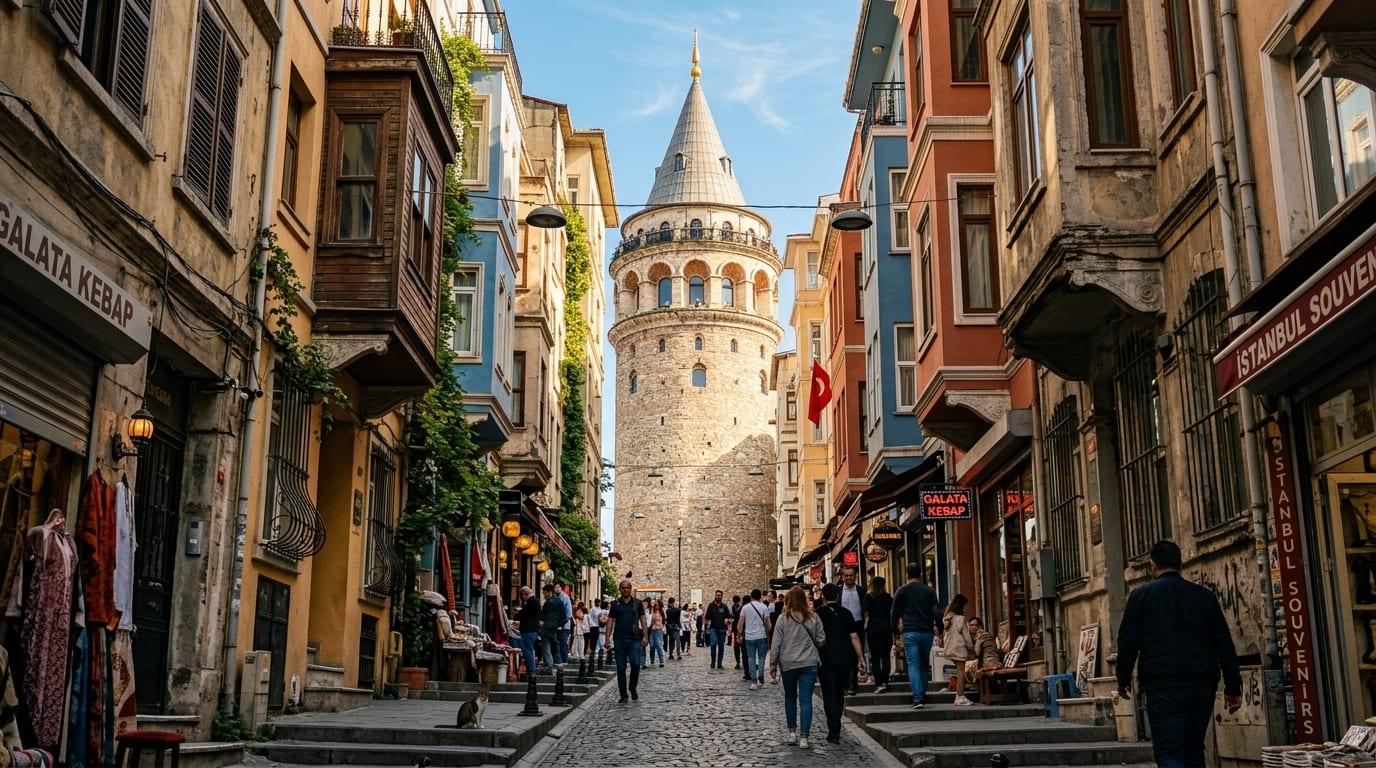
The historic Genoese Galata Tower, sweeping Golden Horn vistas, and Karaköy's vibrant boutique cafes offer a picturesque setting for light walks and stylish cafe downtime.
Grand Bazaar & Egyptian Spice Bazaar
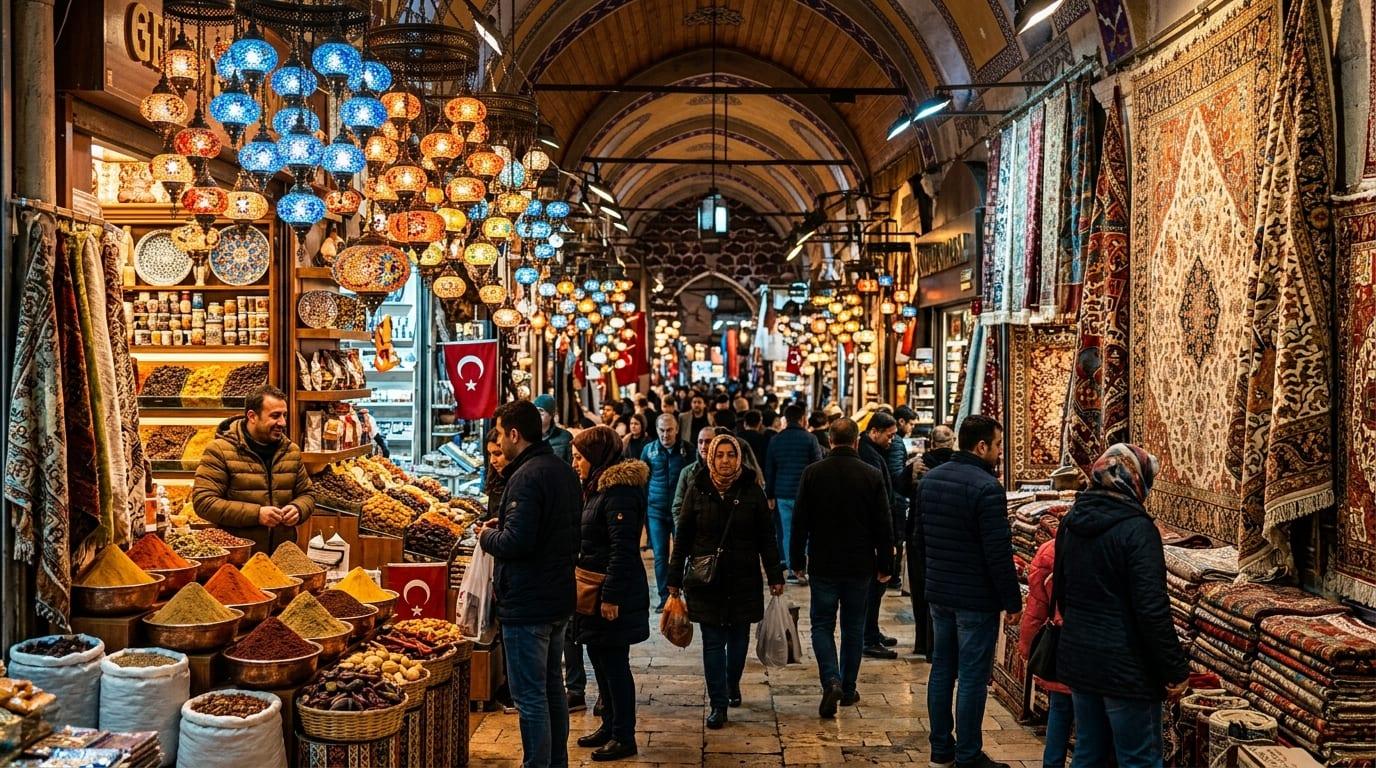
Step into the world's oldest and largest covered shopping labyrinth with over 4,000 artisan shops featuring authentic gold jewelry, Turkish delight, fine silks, and handcrafted carpets.
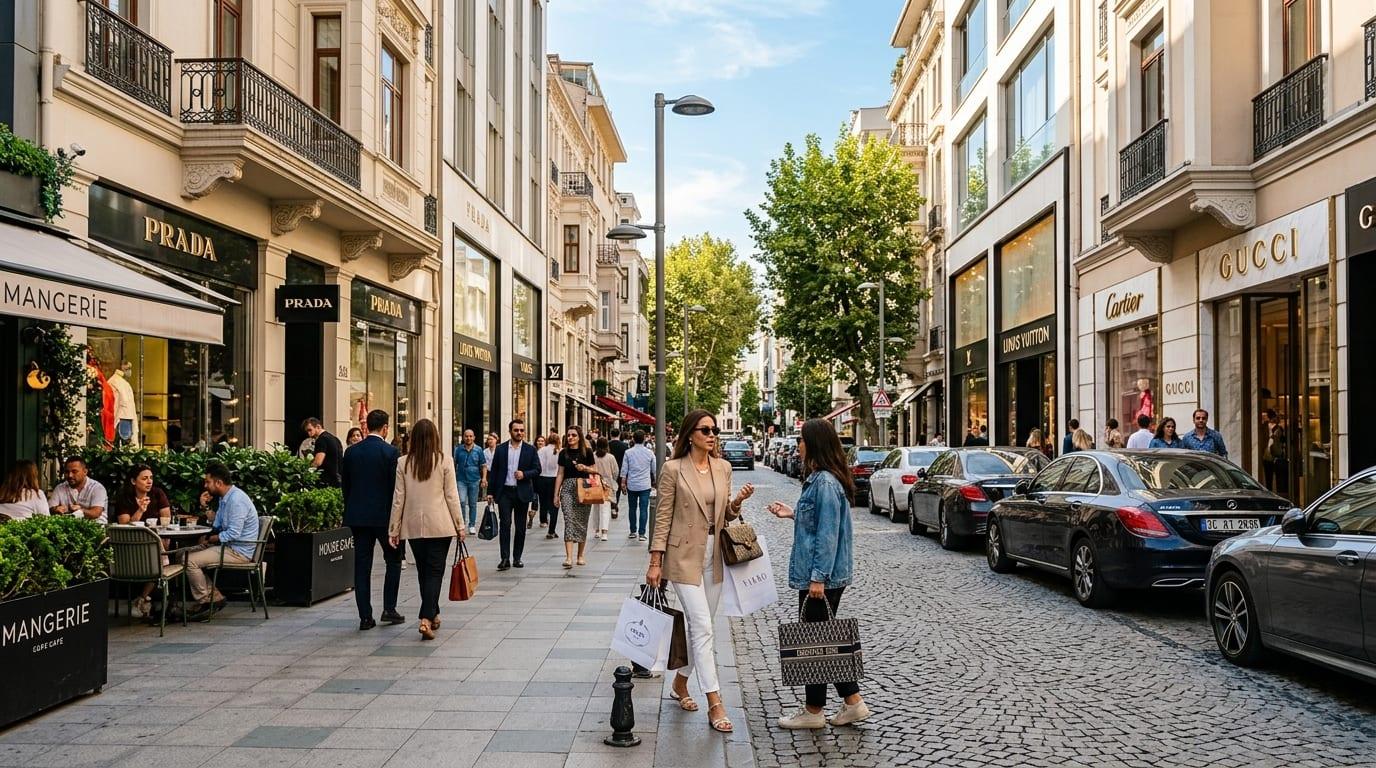
Nişantaşı & Abdi İpekçi Luxury Fashion Avenue
Istanbul's premier luxury fashion and design quarter. Featuring world-renowned flagship houses (Chanel, Gucci, Hermès), private galleries, and gourmet bistros for a VIP leisure afternoon.

Bosphorus Waterfront Gourmet Dining & Baklava Tasting
Savor warm pistachio baklava from historic Karaköy artisans, authentic sand-brewed Turkish coffee, and Michelin-guide fresh seafood along the sparkling Bosphorus shoreline.

Gülhane Park & Emirgan Botanical Recovery Walks
Serene botanical gardens beneath centuries-old plane trees with refreshing Bosphorus breezes—ideal for the light, oxygen-rich walks recommended by our surgeons to promote natural healing.
One Clinic Dedicated VIP Concierge & Chauffeur
All international health packages include private luxury VIP vehicle transfers, 5-star hotel accommodations, and dedicated multilingual patient coordinators guiding your medical and leisure journey.
Related Clinical Guides
Zirconia crowns for front teeth: pros and cons
When it comes to restoring damaged or discolored front teeth, aesthetics and durability are equally important. Zirconia crowns for front teeth have become one of the most popular choices in modern cosmetic dentistry.
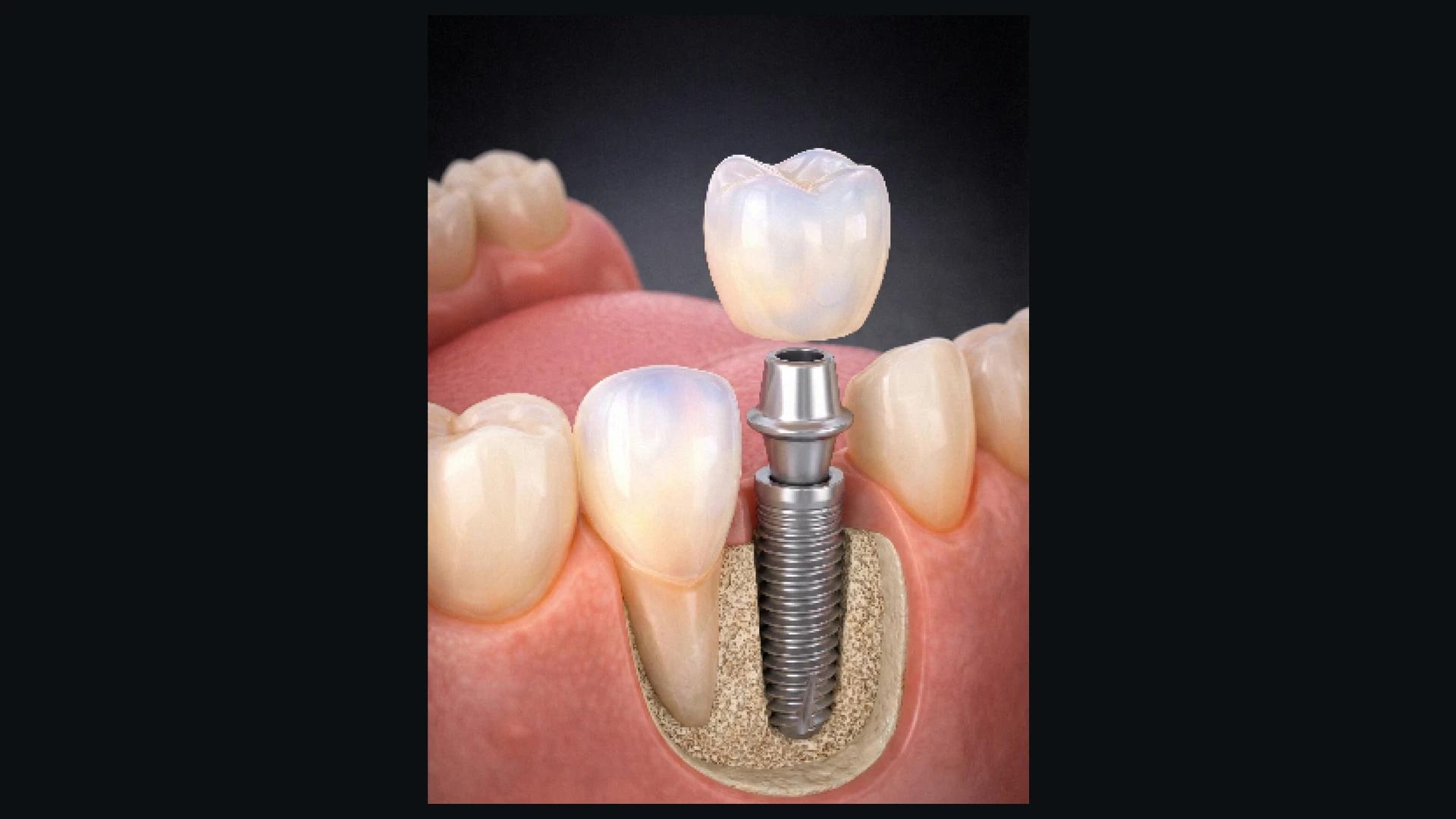
Immediate Dental Implants: Are They Suitable for Everyone? Pros, Cons, and Costs
Tooth loss is a major hurdle that impacts your quality of life, from making chewing difficult to reducing your confidence when smiling. With modern advancements in dentistry, you no longer have to wait several months to get new teeth.
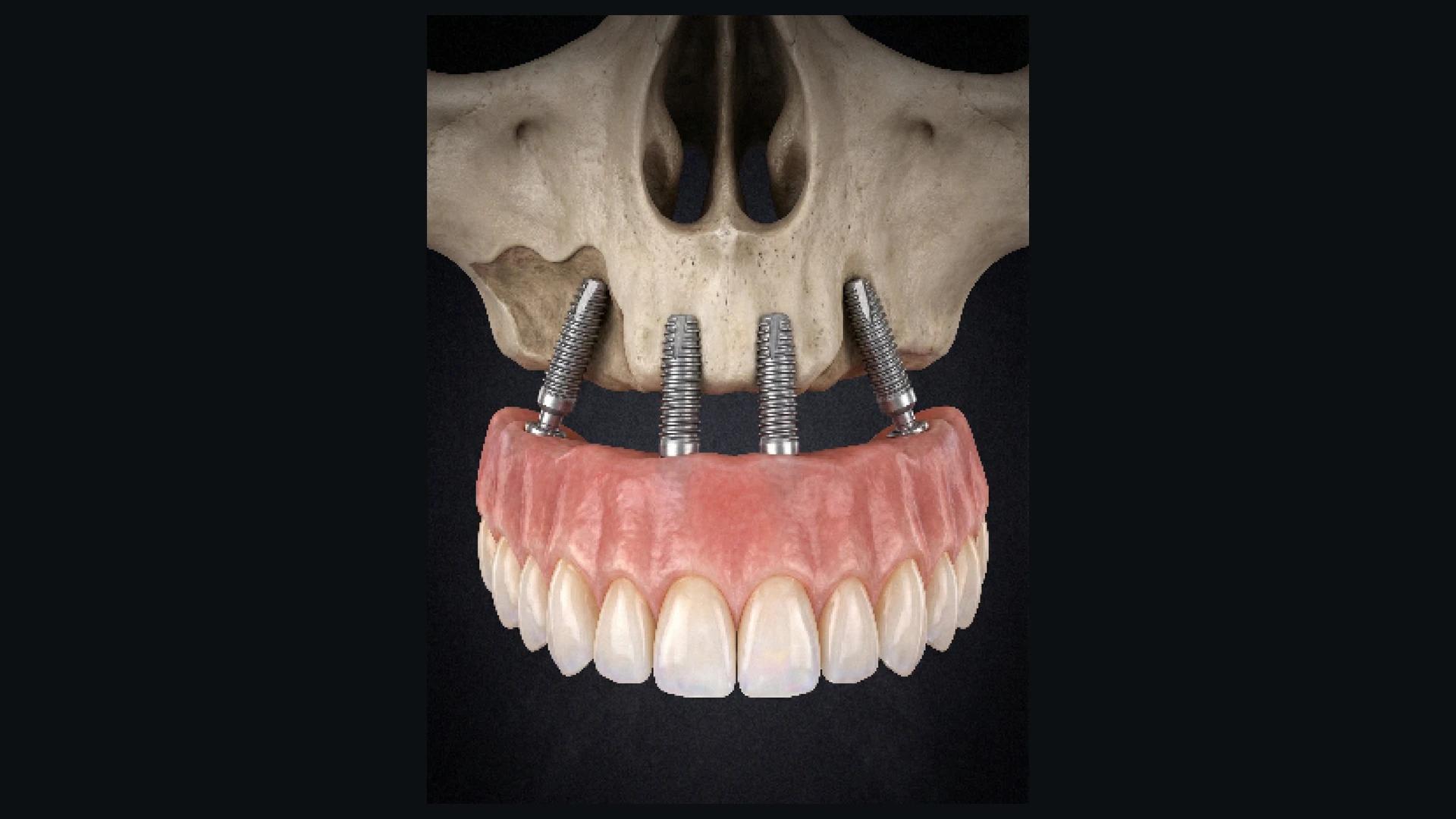
How Long Do Dental Implants Last? Lifespan, Success Rate & Expert Tips
One of the first questions patients ask before choosing dental implant treatment is: The good news is that dental implants are one of the longest-lasting tooth replacement solutions available today. With proper care and professional placement, many implants can last 20 years, 30 years, or for many decades long-term.