
All-on-4 & All-on-6 Dental Implants in Istanbul: 2-Visit Timeline & Implant Passports Explained
Clinical comparison of All-on-4 and All-on-6 biomechanics on 3D CBCT tomography, the biologically paced two-visit Istanbul treatment calendar, and international traceability via official Implant Passports.
Cosmetic Dentistry & Implantology Specialist
In This Clinical Guide
All-on-4 vs. All-on-6 biomechanics planned via 3D CBCT volumetric tomography
Full-arch implant reconstruction requires three-dimensional bone mapping before a surgical plan is finalized. At One Clinic Istanbul, every dental implant assessment begins by merging low-dose 3D Cone-Beam Computed Tomography (CBCT) scans with high-resolution intraoral optical scans. Cross-sectional slices reveal vertical ridge height in millimeters, buccolingual bone width, cortical plate thickness, trabecular bone mineral density, maxillary sinus floor contours, and the anterior loop of the mental nerve. Restorative treatment plans are prepared individually after this 3D CBCT tomography and clinical intraoral evaluation.
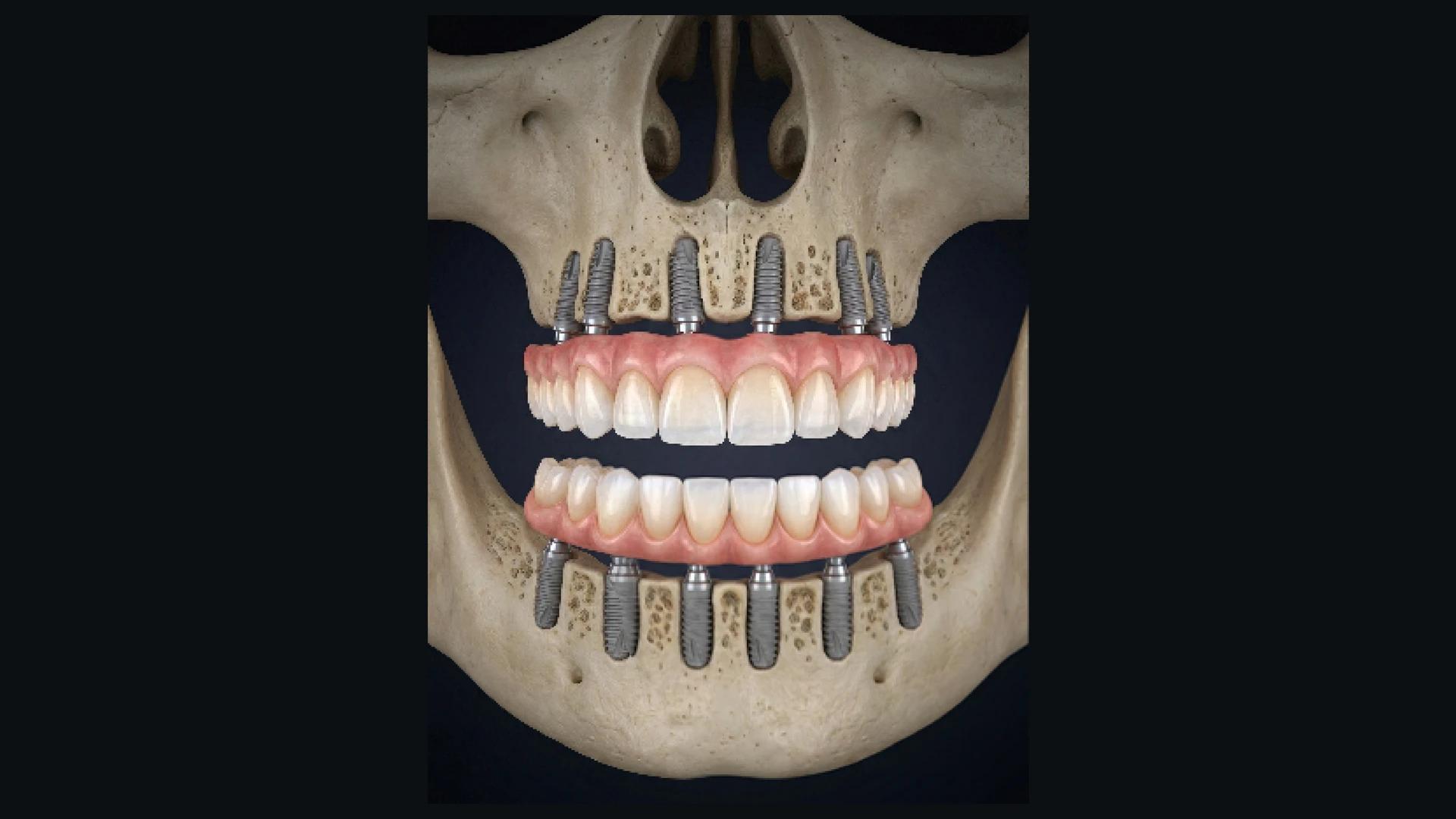
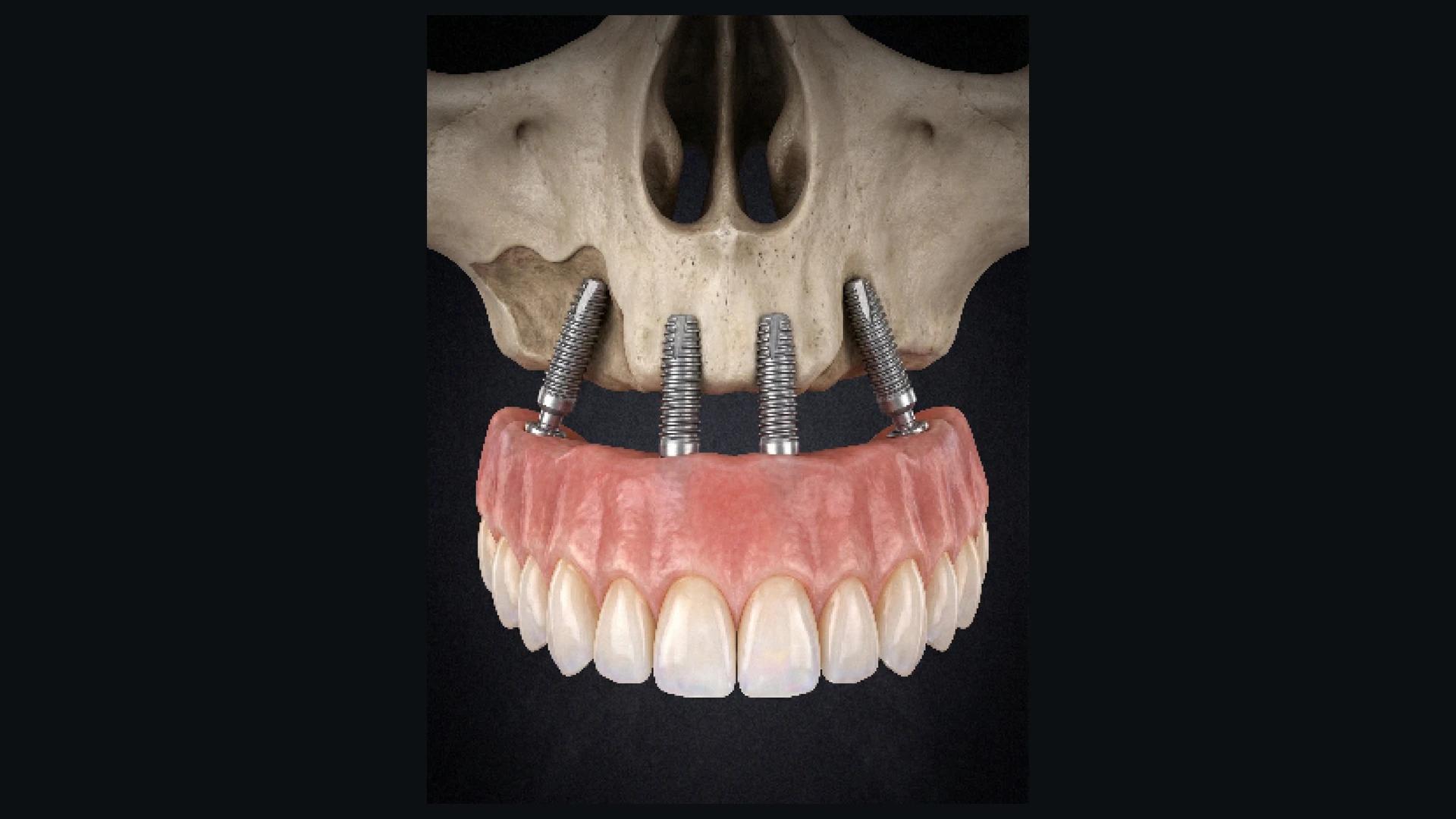
When long-standing tooth loss has resorbed posterior bone volume, All-on-4 rehabilitation restores a complete arch on 4 strategically angled implants. Two straight implants engage dense bone in the anterior jaw, while the two posterior implants are tilted between 30 and 45 degrees. That deliberate angulation passes safely in front of pneumatized maxillary sinus cavities in the upper jaw or the mental nerve canal in the lower jaw. Tilting the distal implants shifts prosthetic support backward into the premolar and first-molar zone, shortens cantilevered bridge extensions, and engages a longer path of cortical bone without requiring bilateral sinus floor grafts.
When CBCT measurements confirm adequate bone height and width in the molar region, All-on-6 rehabilitation anchors the arch across 6 fixtures distributed from the anterior zone back to the first-molar area. Adding two posterior fixtures shortens the inter-implant span between multi-unit abutments and spreads vertical and lateral chewing forces over a broader bone foundation. Clinically, 6 implants offer added mechanical reserve in wider arches, softer D3 or D4 upper-jaw bone, and patients with heavy masseter bite forces or nocturnal bruxism.
Why biological osseointegration cannot be rushed into a single permanent visit
International patients occasionally ask why a clinic should split full-arch reconstruction into two trips instead of fitting final zirconia bridges during week one. Bone biology sets that timeline. When an implant is threaded into native bone, mechanical compression produces high initial grip, known as primary stability. Between weeks 2 and 4 after surgery, osteoclast cells resorb compressed bone margins while osteoblasts migrate onto the implant surface to deposit new woven bone. Bolting a heavy, rigid monolithic zirconia arch onto unintegrated fixtures during this cellular remodeling dip risks micromotion exceeding 100 to 150 microns, interfering with bone fusion and encouraging fibrous tissue encapsulation.
Soft-tissue healing follows its own calendar as well. After tooth extractions and minor ridge leveling, post-operative gingival swelling subsides and the gumline matures by 1 to 2 millimeters over 10 to 14 weeks. Milling a permanent zirconia prosthesis during week one leaves open spaces beneath the bridge once the gums settle, trapping food debris and altering air flow during speech.
Visit 1 in Istanbul (5 to 6 days): 3D-guided placement and immediate fixed provisional bridge
Day 1 of the first visit covers 3D CBCT tomography, digital intraoral scanning, studio facial midline records, and occlusal vertical dimension analysis. On Day 2, necessary extractions are completed under local anesthesia or conscious sedation, and 4 or 6 fixtures are placed through a custom 3D-printed surgical guide. Each fixture is tested immediately with a calibrated torque wrench.
Once primary insertion torque reaches 35 Ncm or higher across the placed fixtures, multi-unit abutments are secured and a screw-retained fixed provisional bridge is delivered within 24 to 48 hours so the patient never flies home toothless.
The screw-retained PMMA provisional arch splints the implants rigidly together, supports the lips, and allows comfortable chewing of soft meals right away. Days 4 through 6 are dedicated to checking bite contacts, inspecting mucosal healing, and reviewing water-flosser hygiene before the flight home. In rare cases where softer posterior bone yields insertion torque below 35 Ncm, a tissue-supported protective healing prosthesis shields the submerged implants from premature load until bone mineralization finishes.
3 to 4 months back home: biological bone fusion
While the patient returns to work and daily routines at home, living osteocytes mineralize directly onto the micro-roughened titanium or titanium-zirconium implant threads. Osseointegration typically takes 3 months in the denser cortical bone of the mandible and 3 to 4 months in the more cancellous bone of the maxilla. During the first 6 weeks, patients follow a progressive soft diet (fish, eggs, pasta, cooked vegetables, avoiding hard nuts or crusty bread that exert lateral tearing forces) alongside daily cleaning under the provisional bridge.
Visit 2 in Istanbul (5 to 6 days): digital CAD/CAM scanning and monolithic zirconia delivery
On returning to Istanbul, our restorative team unscrews the provisional arch, verifies individual abutment stability, and records matured gingival contours using intraoral optical scanners and digital photogrammetry. Over the next several days, centric relation bite records are verified, a prototype try-in confirms lip support, incisal edge visibility, and clear pronunciation of "F, V, and S" sounds, and our CAD/CAM laboratory mills the permanent screw-retained monolithic zirconia arch. Across all comprehensive dental treatments at One Clinic Istanbul, prosthetic screws are tightened to manufacturer-specified Ncm values, access channels are sealed with PTFE tape and composite resin, and digital bite sensors balance bilateral occlusion.
What an official Implant Passport contains and why every international patient should demand one
Dental implants remain anchored in the jawbone for decades, yet routine clinical maintenance such as unscrewing a bridge for deep professional cleaning or replacing a worn prosthetic screw can arise 10 or 20 years after surgery. Without exact component records, a restorative dentist in the UK, Germany, France, or North America cannot determine from a dental X-ray alone which internal connection geometry, thread pitch, or screwdriver tip matches an implant placed abroad.
Before leaving One Clinic Istanbul, every implant patient receives a signed physical and digital Implant Passport containing four verifiable clinical records:
- Original peel-off manufacturer stickers displaying the LOT batch number and unique serial code taken directly from the sterile Straumann® or Nobel Biocare® implant packaging.
- Exact anatomical tooth-site mapping with implant model, diameter, and length in millimeters (for instance, 4.1 mm diameter by 12 mm length) and prosthetic platform specification.
- Multi-unit abutment details including angulation (0, 17, or 30 degrees), transmucosal collar height in millimeters, screwdriver tip system, and manufacturer Ncm tightening torque.
- Operating surgeon signature, clinic stamp, surgical placement date, and baseline post-operative panoramic or CBCT radiographic documentation.
Insisting on globally supported implant systems such as Straumann® and Nobel Biocare® paired with authentic LOT stickers means authorized prosthetic drivers and spare screws are available in dental practices across Europe, the UK, and North America decades down the line.
Frequently Asked Clinical Questions
Direct medical answers to the questions international patients ask most before treatment.
How do surgeons choose between All-on-4 and All-on-6 on a 3D CBCT scan?
When posterior bone height is limited by enlarged maxillary sinuses or the mental nerve canal, All-on-4 uses two anterior axial implants and two posterior implants tilted at 30 to 45 degrees to bypass those structures without bone grafting. When posterior molar bone volume is adequate, All-on-6 adds two distal fixtures to distribute chewing forces across shorter bridge spans.
Do patients fly home toothless between Visit 1 and Visit 2?
No. Once primary insertion torque reaches 35 Ncm or higher during guided placement, our prosthodontic team attaches a screw-retained fixed provisional bridge within 24 to 48 hours so patients speak clearly, eat soft meals comfortably, and travel home with fixed teeth.
Why cannot the permanent monolithic zirconia arch be fitted during the first week?
Living bone cells need 3 to 4 months to fuse biologically onto the implant threads, and healing gum tissue contracts by 1 to 2 mm after extractions. Fitting a heavy final zirconia arch in week one risks destructive micromotion on fresh implants and leaves hygiene-trapping gaps once gingival swelling resolves.
How does an official Implant Passport help my dentist back home years later?
The passport records original peel-off manufacturer LOT and serial stickers from Straumann® or Nobel Biocare®, exact implant diameters and lengths, multi-unit abutment angulations, and prosthetic screw torque values. Any restorative dentist in the UK, Germany, France, or North America can identify the exact screwdriver and replacement components without guesswork.
Clinical Governance Notice (AK-1339)
This publication is authored for general medical education and does not substitute for an in-person clinical examination, diagnostic imaging, or individualized surgical clearance.
Dr. Esranur & Dr. Muhammad
Medical Board ReviewedCosmetic Dentistry & Implantology Specialist
Our board-certified surgeons and specialists at One Clinic Istanbul deliver evidence-based aesthetic, dental, and reconstructive care in A-Plus accredited hospital suites (License AK-1339).
Questions & Answers
Ask our surgeons and specialists any questions regarding this article and procedure.
Patient Questions & Doctor Answers0
During Your Medical Stay, What to Do in Istanbul?
Your journey with One Clinic is more than just world-class medical procedures. Explore doctor-approved sightseeing, luxury shopping, and serene recovery walks across the mesmerizing crossroads of Europe and Asia.
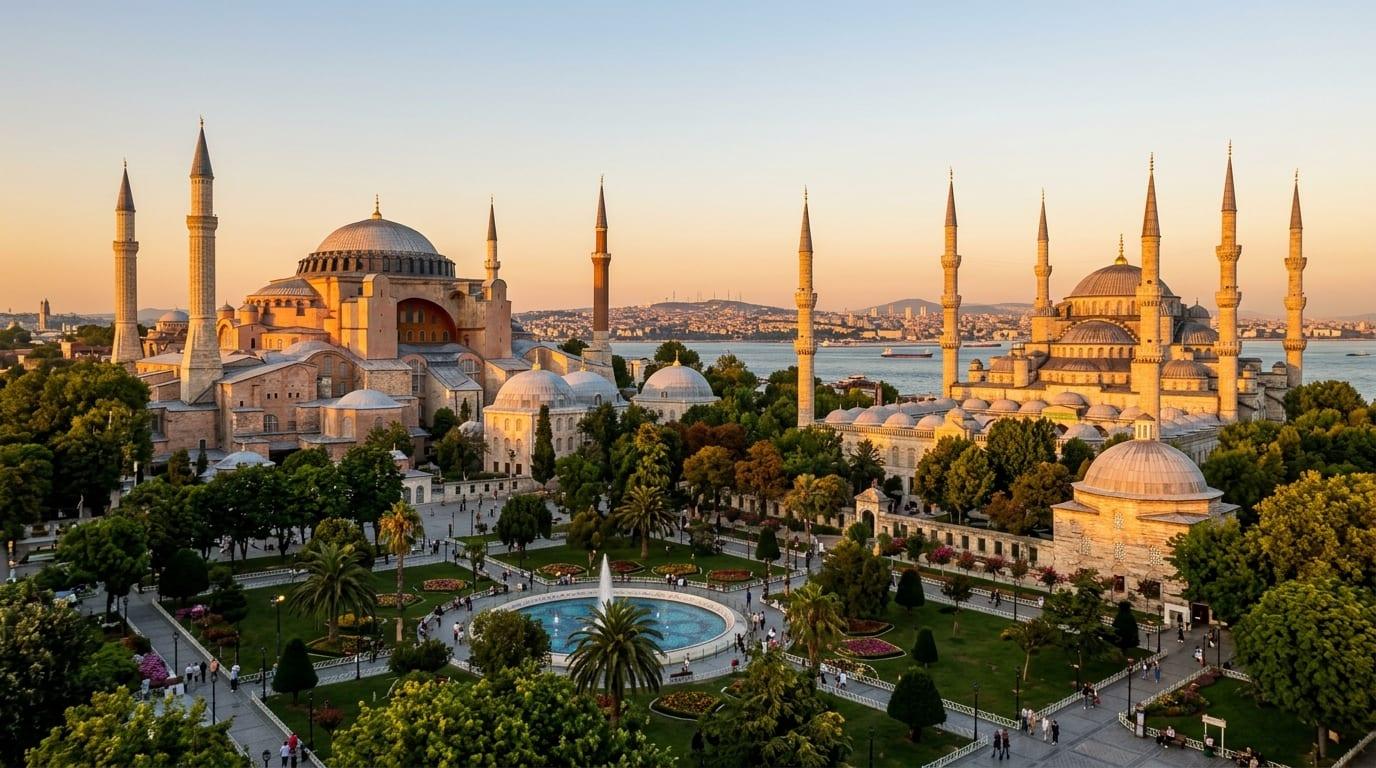
Hagia Sophia & Historic Sultanahmet Peninsula
With 1,500 years of architectural splendor, Hagia Sophia and the iconic Blue Mosque offer an awe-inspiring, flat-surface cultural stroll ideal for pre-op days or gentle post-op recovery walks.

Private Bosphorus Yacht Cruise & Waterfront Mansions
A relaxing private yacht cruise across the legendary Bosphorus separating Europe and Asia. Requiring zero physical exertion, it provides soothing marine air and magnificent views during recovery.
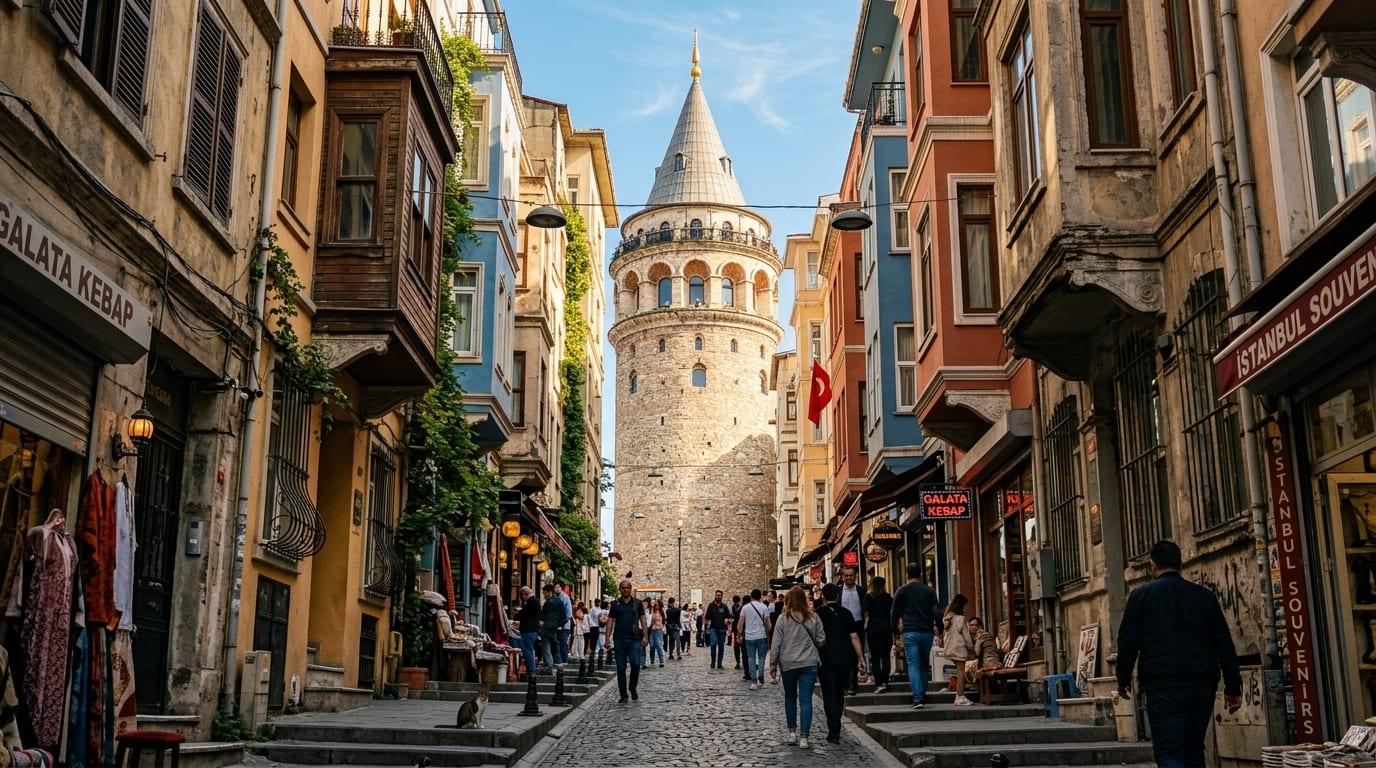
Galata Tower & Bohemian Karaköy Art Streets
The historic Genoese Galata Tower, sweeping Golden Horn vistas, and Karaköy's vibrant boutique cafes offer a picturesque setting for light walks and stylish cafe downtime.
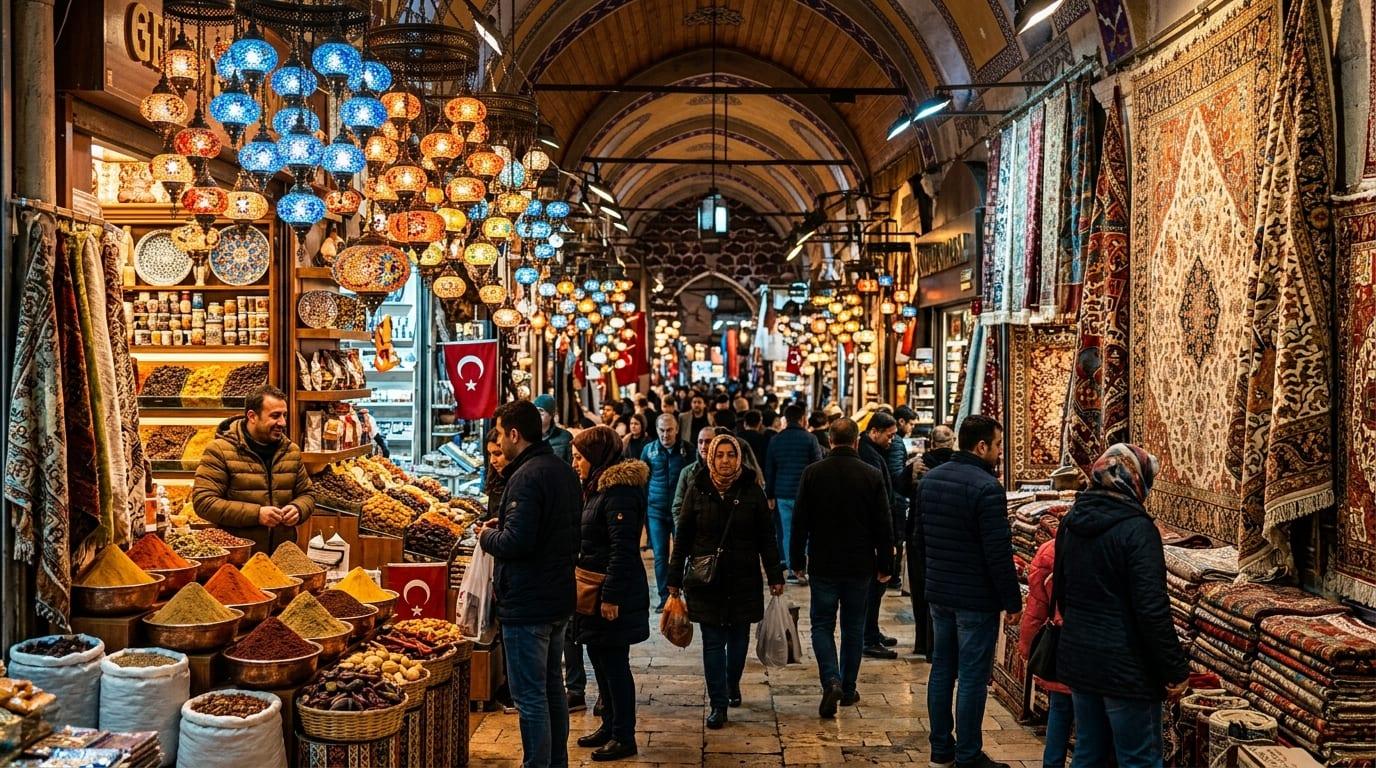
Grand Bazaar & Egyptian Spice Bazaar
Step into the world's oldest and largest covered shopping labyrinth with over 4,000 artisan shops featuring authentic gold jewelry, Turkish delight, fine silks, and handcrafted carpets.
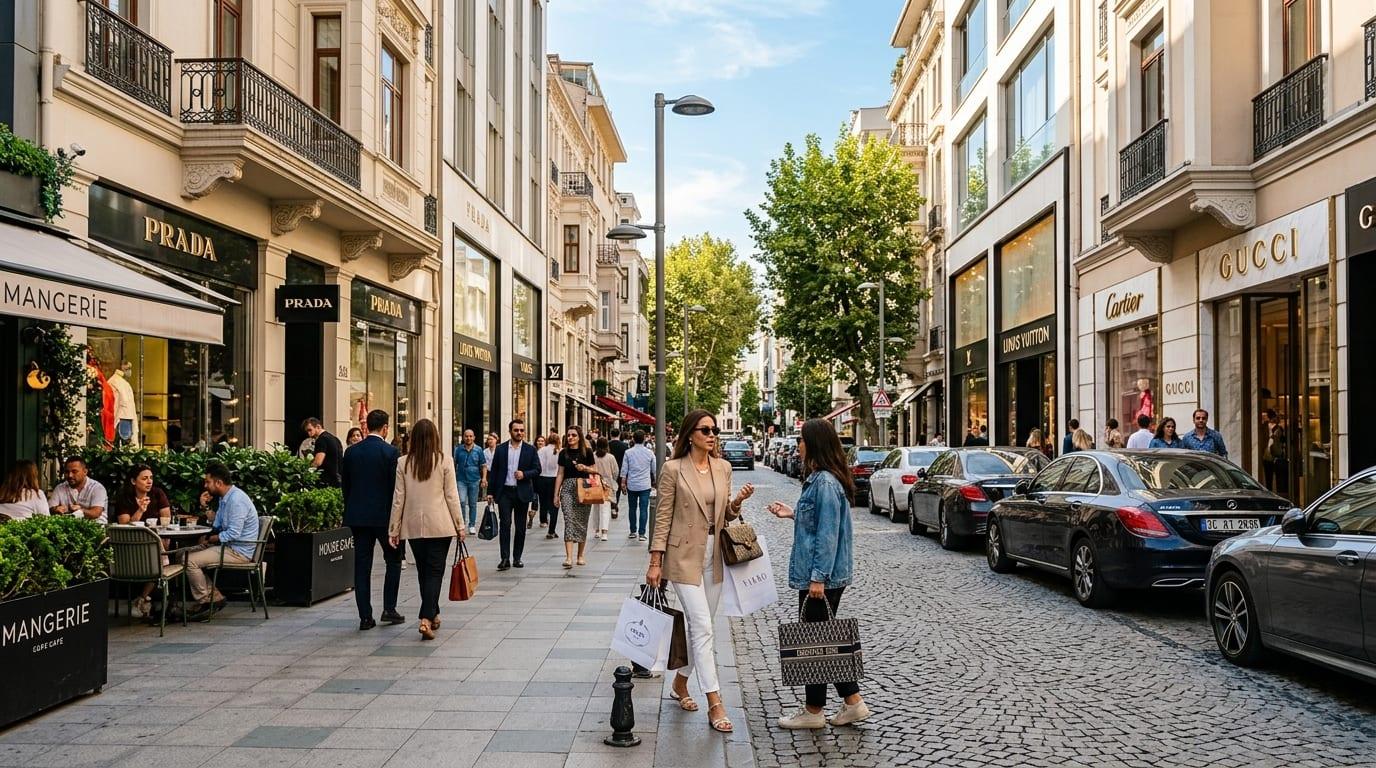
Nişantaşı & Abdi İpekçi Luxury Fashion Avenue
Istanbul's premier luxury fashion and design quarter. Featuring world-renowned flagship houses (Chanel, Gucci, Hermès), private galleries, and gourmet bistros for a VIP leisure afternoon.

Bosphorus Waterfront Gourmet Dining & Baklava Tasting
Savor warm pistachio baklava from historic Karaköy artisans, authentic sand-brewed Turkish coffee, and Michelin-guide fresh seafood along the sparkling Bosphorus shoreline.

Gülhane Park & Emirgan Botanical Recovery Walks
Serene botanical gardens beneath centuries-old plane trees with refreshing Bosphorus breezes—ideal for the light, oxygen-rich walks recommended by our surgeons to promote natural healing.
One Clinic Dedicated VIP Concierge & Chauffeur
All international health packages include private luxury VIP vehicle transfers, 5-star hotel accommodations, and dedicated multilingual patient coordinators guiding your medical and leisure journey.
Related Clinical Guides
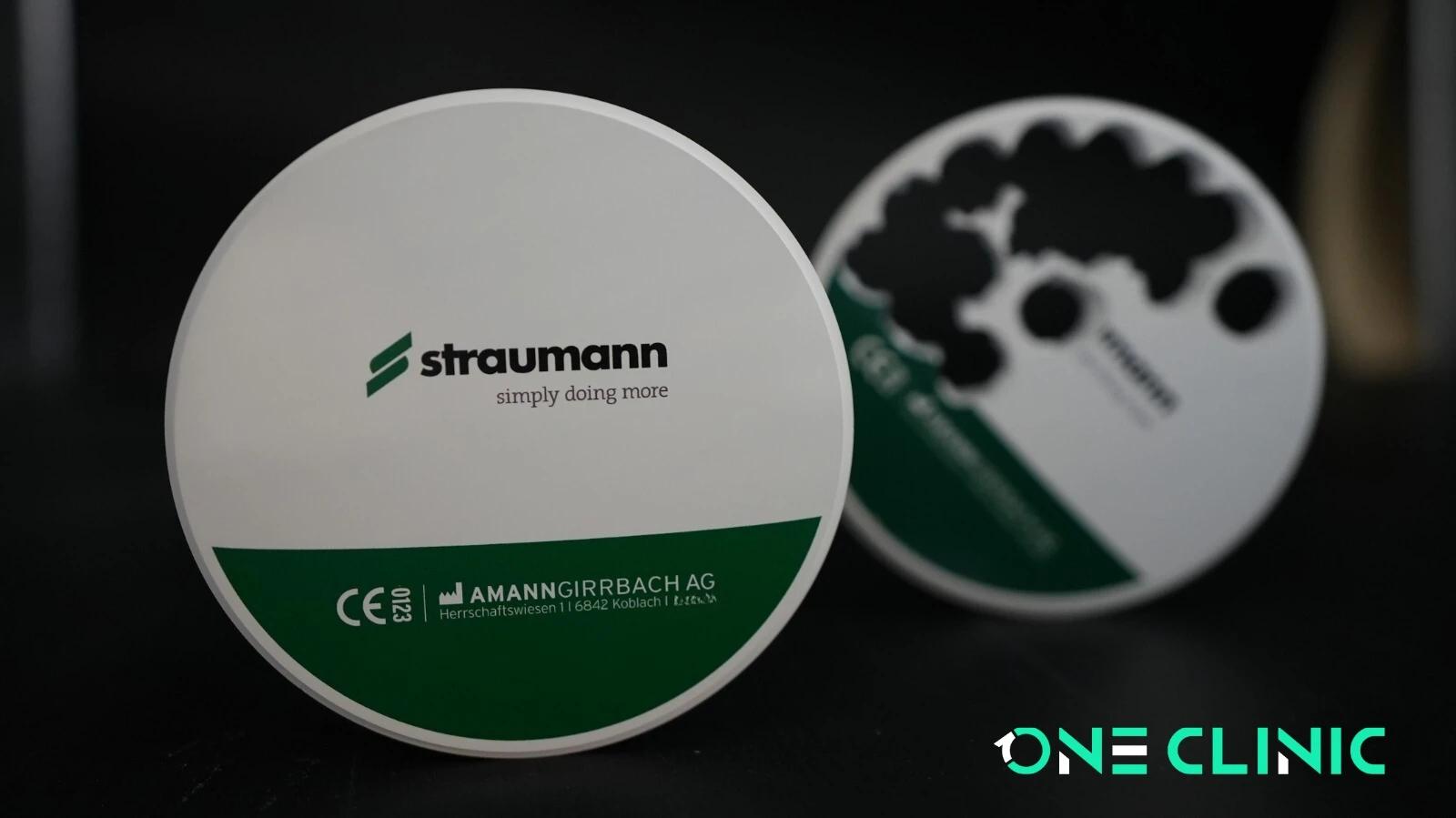
Zirconia crowns for front teeth: pros and cons
When it comes to restoring damaged or discolored front teeth, aesthetics and durability are equally important. Zirconia crowns for front teeth have become one of the most popular choices in modern cosmetic dentistry.
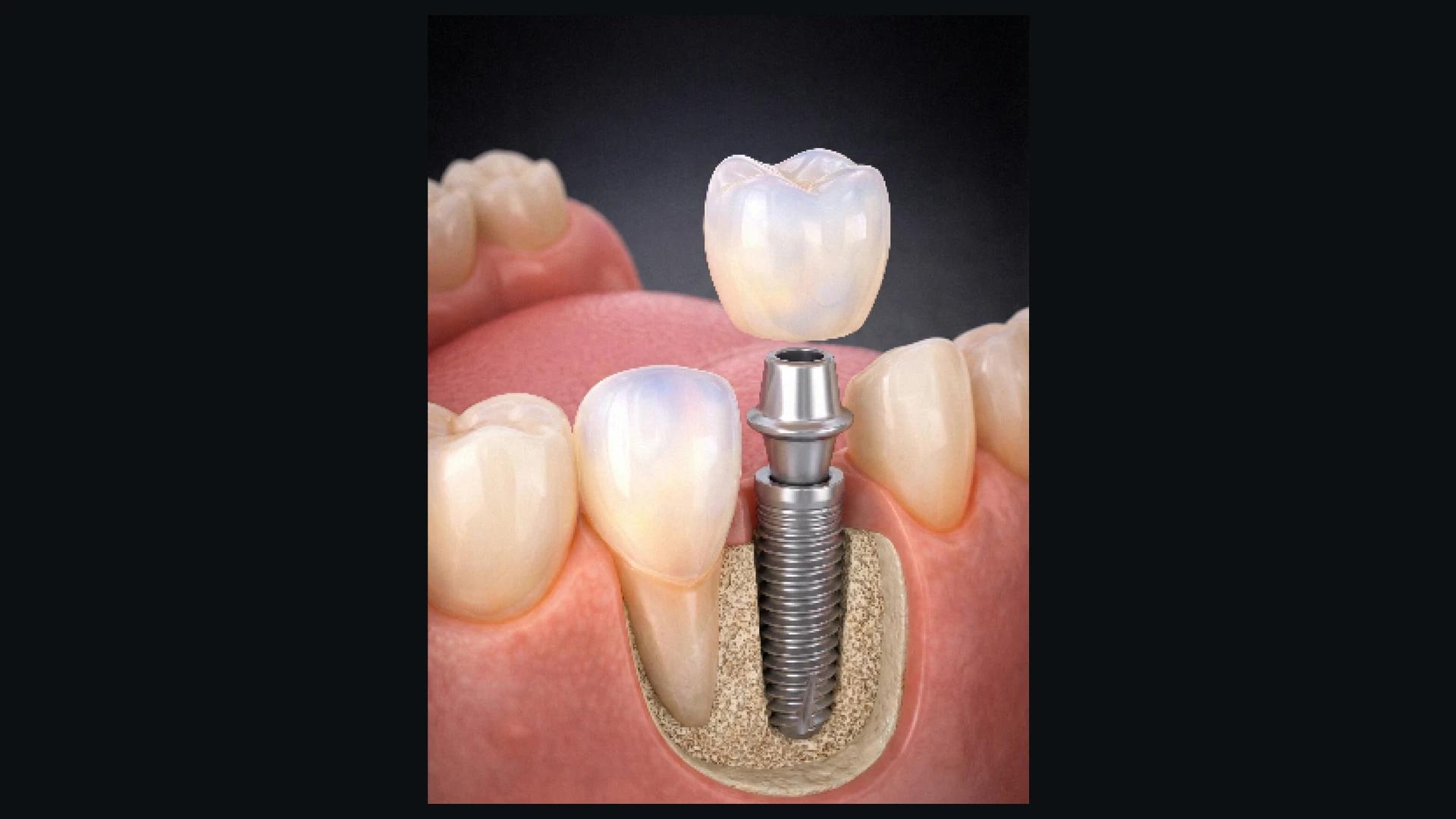
Immediate Dental Implants: Are They Suitable for Everyone? Pros, Cons, and Costs
Tooth loss is a major hurdle that impacts your quality of life, from making chewing difficult to reducing your confidence when smiling. With modern advancements in dentistry, you no longer have to wait several months to get new teeth.
How Long Do Dental Implants Last? Lifespan, Success Rate & Expert Tips
One of the first questions patients ask before choosing dental implant treatment is: The good news is that dental implants are one of the longest-lasting tooth replacement solutions available today. With proper care and professional placement, many implants can last 20 years, 30 years, or for many decades long-term.