
5,000 Grafts Hair Transplant in Turkey: Realistic Donor Limits vs. Overharvesting
Clinical analysis of occipital and parietal donor mapping via digital trichoscopy, the 25% to 30% safe extraction limit per square centimeter, graft-to-hair ratios, and staged planning for Norwood 5-6 hair loss.
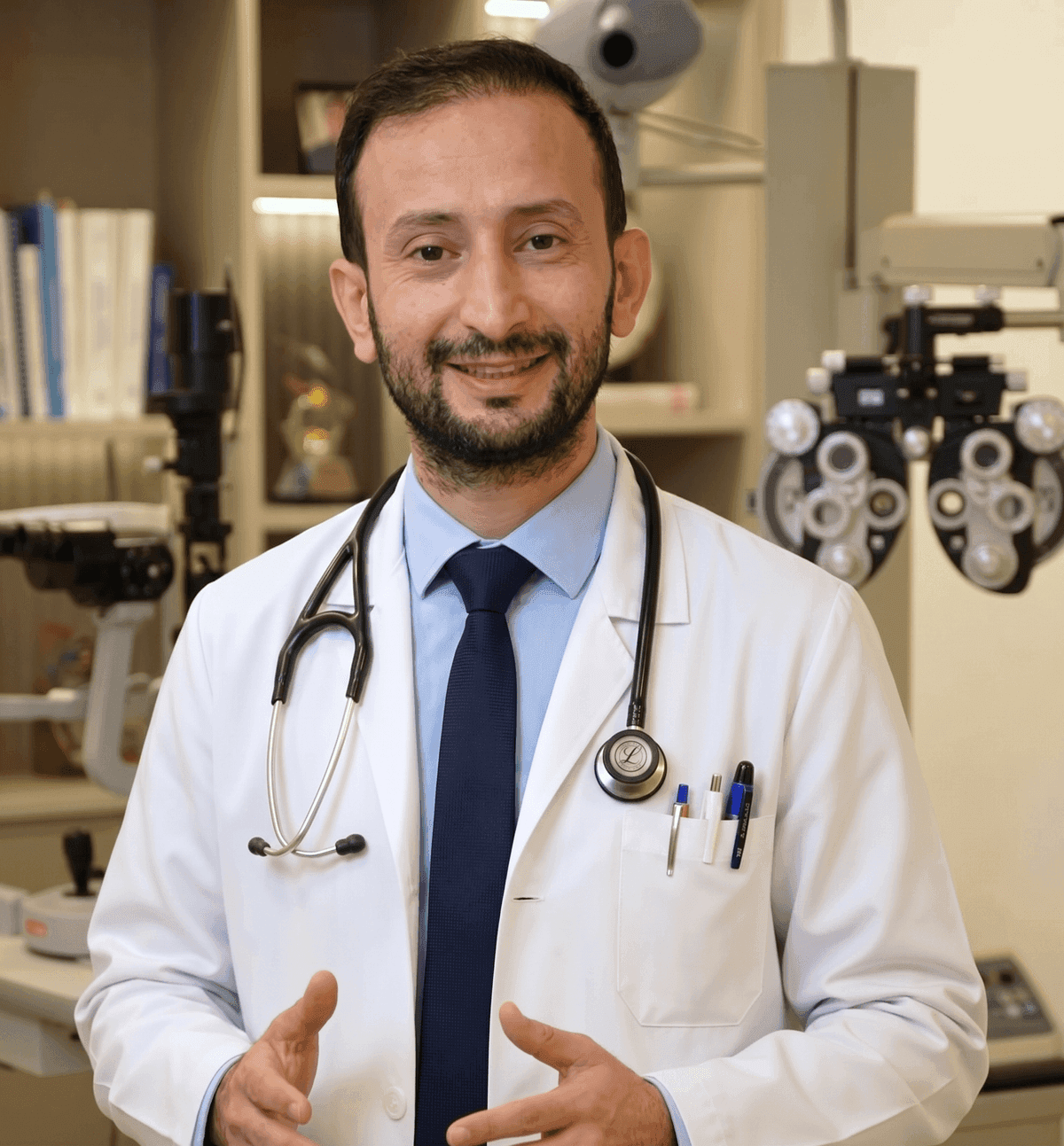
Saç Ekimi & Medikal Estetik Bölümü
In This Clinical Guide
Measuring donor density and safe boundaries with digital trichoscopy
Every surgical hair transplant plan starts with a finite biological bank across the back and sides of the scalp. Before quoting any graft target at One Clinic Istanbul, Dr. Emre maps the occipital and parietal zones under high-magnification digital video trichoscopy. The camera measures baseline follicular unit density in grafts per square centimeter (grafts/cm²), records hair shaft caliber in microns, and screens the upper and lower borders for early miniaturization.
Most adult scalps carry between 65 and 85 grafts/cm² across the central occipital prominence, while the parietal sides sit roughly 10% to 15% lower. Hair shaft diameter changes visual coverage just as much as follicle count: coarse, wavy shafts measuring 75 to 85 microns block far more light against the scalp than fine 50-micron shafts at the exact same density. Surgeons also define the safe donor zone carefully, staying below the expanding crown whorl superiorly and above the nape and retroauricular margins inferiorly, where retrograde alopecia can thin hair later in life. Follicles harvested outside these androgen-resistant boundaries remain vulnerable to dihydrotestosterone (DHT) and risk shedding years after transplantation while leaving exposed micro-scars at the neckline.
Why safe extraction stays within 25% to 30% per square centimeter
Human vision begins registering scalp shine-through once native hair density drops by roughly half, and straight dark hair against pale skin reveals thinning even earlier. Keeping punch extraction between 25% and 30% of available follicular units within each square centimeter preserves local dermal blood supply and leaves 50 to 60 grafts/cm² standing to conceal pinpoint extraction sites.
- A patient with a 180 cm² safe donor zone and a baseline density of 65 grafts/cm² holds 11,700 total follicular units, giving a safe single-session ceiling between 2,900 and 3,500 grafts.
- Reaching 5,000 grafts safely in one sitting requires an expansive safe donor surface of 220 cm² or more paired with baseline density around 80 grafts/cm² and healthy scalp elasticity.
- Pushing extraction past 30% crowds punch holes together, impairs microcirculation between adjacent follicles, triggers localized shock loss, and leaves the patchy, moth-eaten donor thinning often seen under skin fades or short buzz cuts.
Grafts versus individual hair strands: verifying realistic counts
Commercial hair restoration marketing frequently blurs the line between follicular units and individual hairs. Anatomically, a graft is a naturally occurring follicular cluster sharing a sebaceous gland and arrector pili muscle, holding one, two, three, or occasionally four hair shafts. Across most Mediterranean and European patients, 1 graft averages 2.1 to 2.4 hair strands.
Under that biological ratio, a well-preserved 3,500-graft procedure already relocates roughly 7,700 to 8,400 hairs, whereas 5,000 intact grafts represent 10,500 to 12,000 individual hair shafts. Subdividing natural triple-hair units under a microscope merely to inflate a numeric graft tally strips away protective perifollicular tissue and lowers survival rates. Patients can verify realistic surgical numbers by requesting two concrete clinical records: the pre-operative trichoscopy scan showing measured density per zone alongside calculated donor area in cm², and the intraoperative Petri dish log separating single-hair hairline grafts from double- and triple-hair density units.
Single mega-sessions versus two-stage planning for Norwood 5 to 6 hair loss
Advanced Norwood 5 and Norwood 6 alopecia often spans 150 to 200 cm² of bare or miniaturized scalp from the frontal forelock back through the vertex. When digital donor diagnostics confirm abundant occipital density and thick shaft caliber, an experienced physician-led team can execute a 4,500- to 5,000-graft session safely provided out-of-body cold holding time in isotonic solution stays under 6 hours to prevent cellular reperfusion injury. When baseline donor reserves are moderate, forcing that volume into one marathon day strains both donor healing and recipient capillary perfusion.
Donor hair is a non-renewable surgical reserve; responsible planning protects how the back of the head looks ten years from now with the same discipline applied to the frontal hairline.
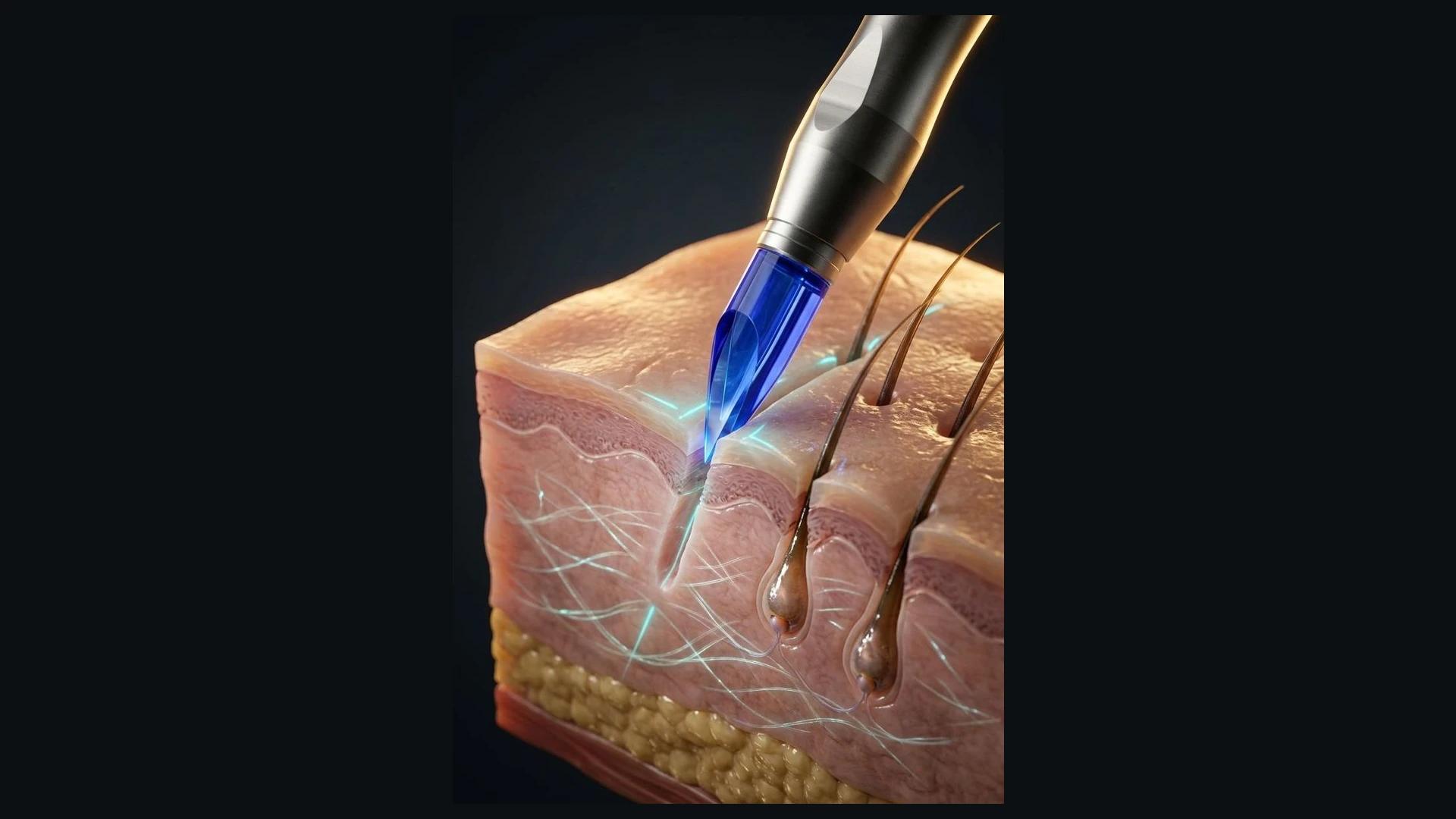
For moderate donor banks facing Norwood 5 or 6 loss, staging surgery across two sessions separated by 8 to 12 months yields cleaner healing and stronger graft survival. Stage one rebuilds an irregular single-hair frontal hairline and dense mid-scalp bridge using V-shaped micro-blades in Sapphire FUE, framing the face where visual impact is highest. After 8 to 12 months of occipital tissue remodeling and frontal vascular maturation, repeat trichoscopy confirms how many units can be harvested safely for stage two, where DHI Choi implanter pens reconstruct the spiral angulation of the crown whorl and blend into existing mid-scalp hair without unnecessary shaving. At One Clinic Istanbul, licensed by the Republic of Türkiye Ministry of Health under International Health Tourism Authorization AK-1339, every surgical plan is tailored individually after physician evaluation and quantitative donor diagnostics.
Frequently Asked Clinical Questions
Direct medical answers to the questions international patients ask most before treatment.
Can 5,000 grafts be safely extracted in a single hair transplant session?
Single-session extraction of 5,000 follicular units is safe only when digital trichoscopy confirms a baseline density of roughly 80 grafts/cm² or higher across a safe donor surface of at least 220 cm², keeping harvesting within the 25% to 30% limit and out-of-body graft time under 6 hours.
What causes a moth-eaten or patchy donor area after surgery?
Removing more than 30% of follicular units per square centimeter, clustering punch extractions without staggered spacing, or harvesting outside DHT-resistant occipital borders depletes optical scalp coverage and exposes pale pinpoint hypopigmentation under short haircuts.
How does a patient verify the difference between 5,000 grafts and 5,000 hair strands?
One intact follicular unit (graft) averages 2.1 to 2.4 hair shafts, so 5,000 true grafts represent roughly 10,500 to 12,000 individual hairs. Patients can ask to review their pre-operative trichoscopy density report alongside the surgical Petri dish tally sorting single, double, and triple units.
Why do surgeons split Norwood 5 or 6 restoration into two sessions 8 to 12 months apart?
Dividing large recipient demands protects frontal scalp vascularity during the first pass, gives occipital dermal tissue 8 to 12 months to heal before reassessing reserve density, and allows targeted DHI angulation across the crown whorl in stage two.
Clinical Governance Notice (AK-1339)
This publication is authored for general medical education and does not substitute for an in-person clinical examination, diagnostic imaging, or individualized surgical clearance.
Dr. Emre (MD)
Medical Board ReviewedSaç Ekimi & Medikal Estetik Bölümü
Our board-certified surgeons and specialists at One Clinic Istanbul deliver evidence-based aesthetic, dental, and reconstructive care in A-Plus accredited hospital suites (License AK-1339).
Questions & Answers
Ask our surgeons and specialists any questions regarding this article and procedure.
Patient Questions & Doctor Answers0
During Your Medical Stay, What to Do in Istanbul?
Your journey with One Clinic is more than just world-class medical procedures. Explore doctor-approved sightseeing, luxury shopping, and serene recovery walks across the mesmerizing crossroads of Europe and Asia.
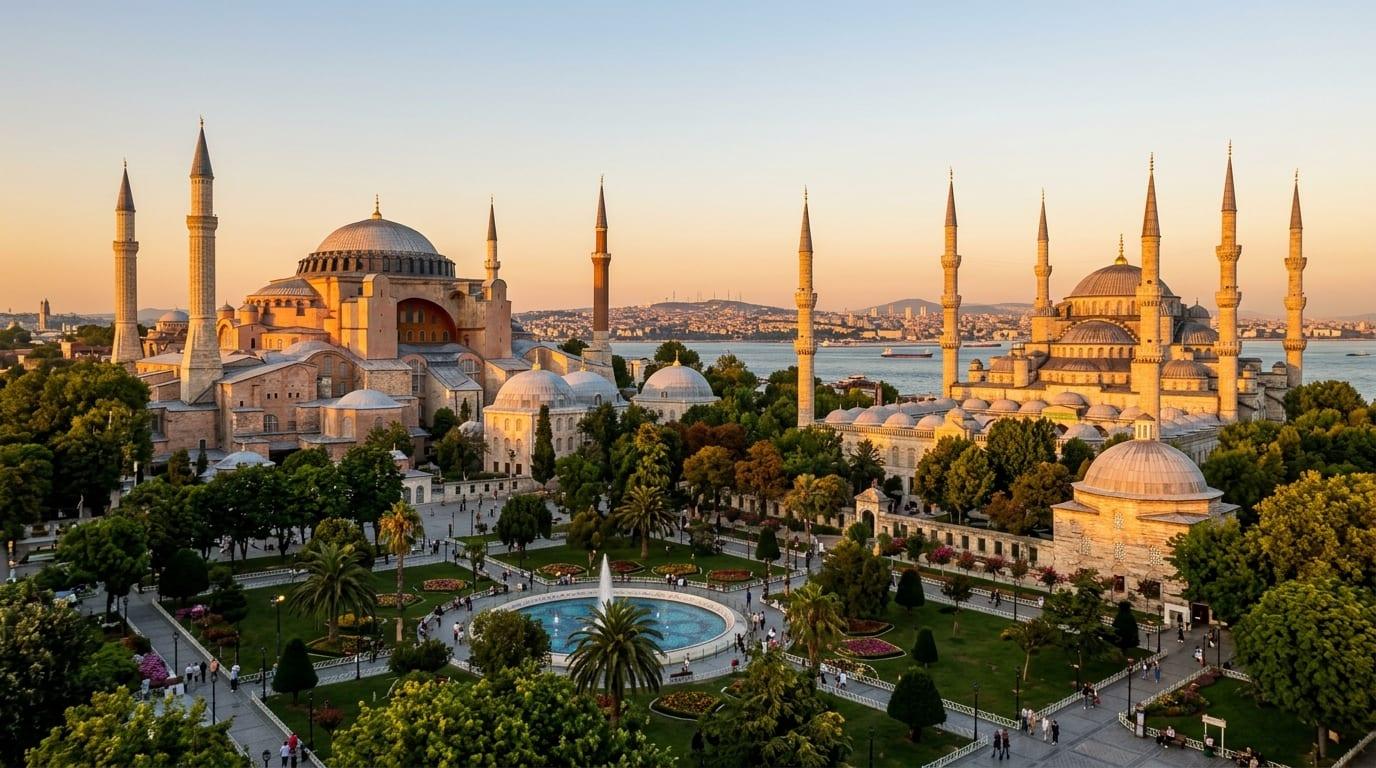
Hagia Sophia & Historic Sultanahmet Peninsula
With 1,500 years of architectural splendor, Hagia Sophia and the iconic Blue Mosque offer an awe-inspiring, flat-surface cultural stroll ideal for pre-op days or gentle post-op recovery walks.

Private Bosphorus Yacht Cruise & Waterfront Mansions
A relaxing private yacht cruise across the legendary Bosphorus separating Europe and Asia. Requiring zero physical exertion, it provides soothing marine air and magnificent views during recovery.
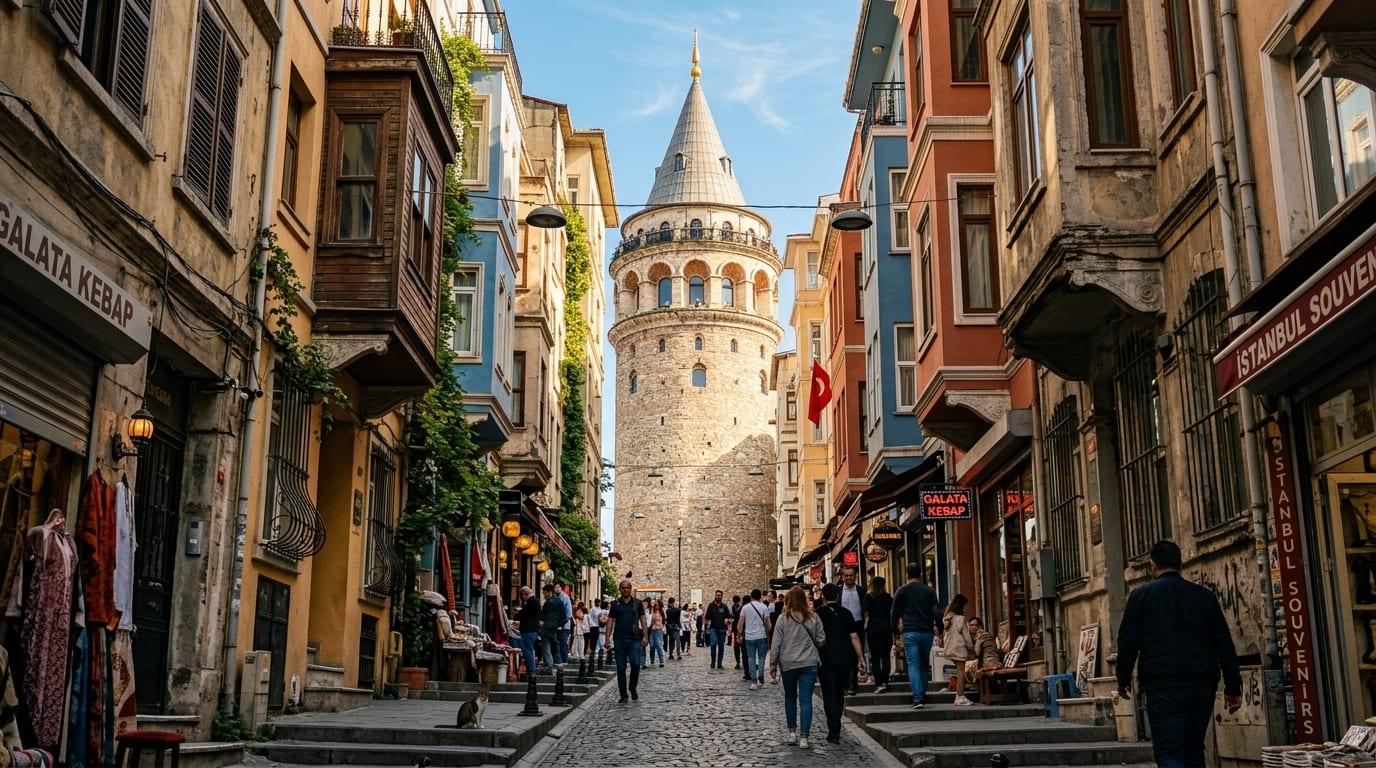
Galata Tower & Bohemian Karaköy Art Streets
The historic Genoese Galata Tower, sweeping Golden Horn vistas, and Karaköy's vibrant boutique cafes offer a picturesque setting for light walks and stylish cafe downtime.
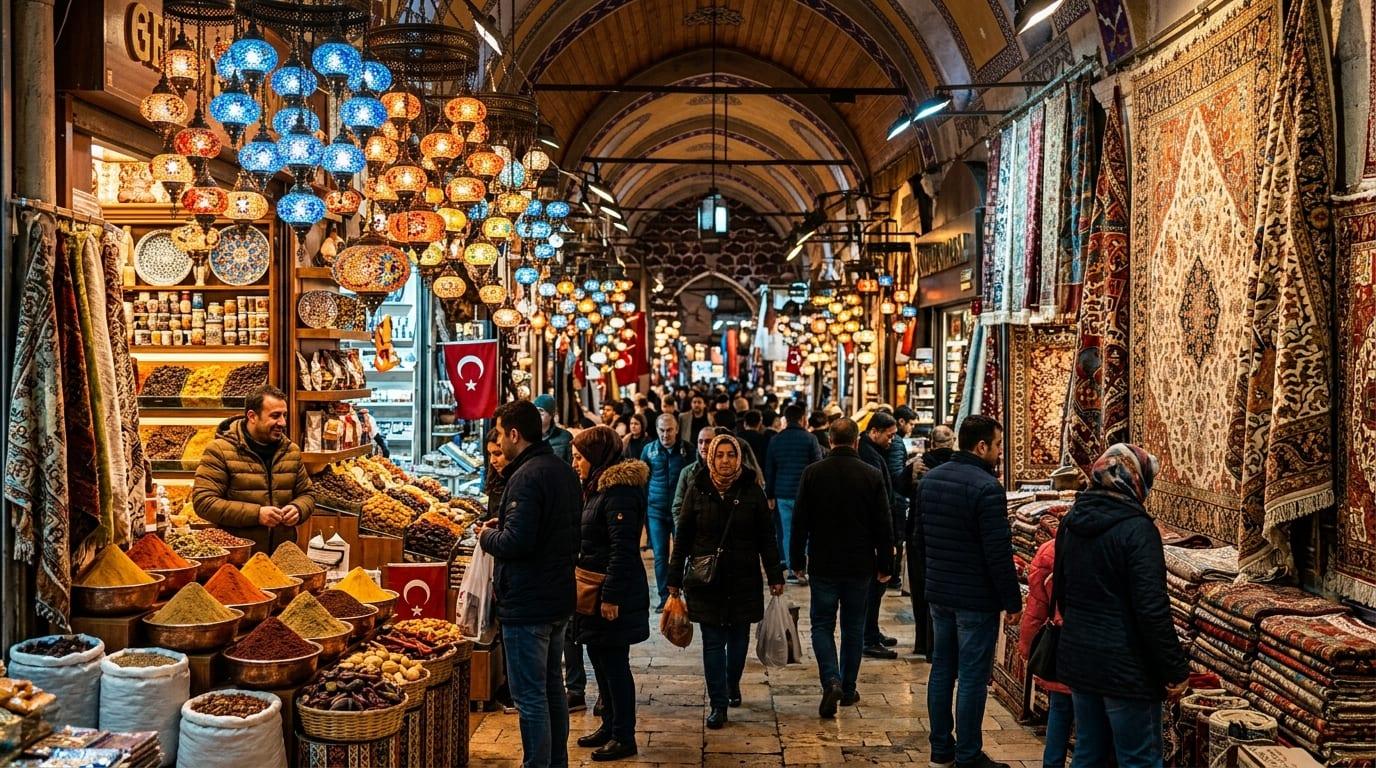
Grand Bazaar & Egyptian Spice Bazaar
Step into the world's oldest and largest covered shopping labyrinth with over 4,000 artisan shops featuring authentic gold jewelry, Turkish delight, fine silks, and handcrafted carpets.
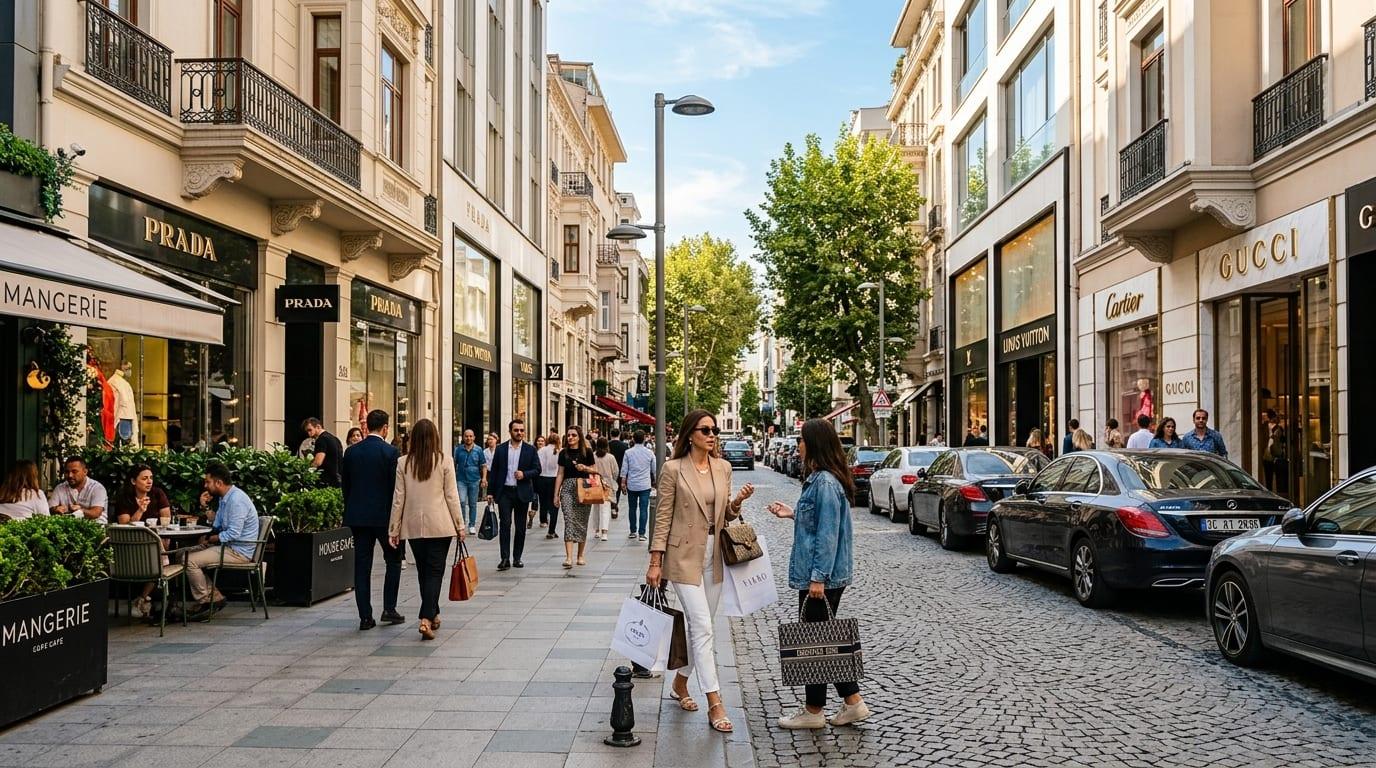
Nişantaşı & Abdi İpekçi Luxury Fashion Avenue
Istanbul's premier luxury fashion and design quarter. Featuring world-renowned flagship houses (Chanel, Gucci, Hermès), private galleries, and gourmet bistros for a VIP leisure afternoon.

Bosphorus Waterfront Gourmet Dining & Baklava Tasting
Savor warm pistachio baklava from historic Karaköy artisans, authentic sand-brewed Turkish coffee, and Michelin-guide fresh seafood along the sparkling Bosphorus shoreline.

Gülhane Park & Emirgan Botanical Recovery Walks
Serene botanical gardens beneath centuries-old plane trees with refreshing Bosphorus breezes—ideal for the light, oxygen-rich walks recommended by our surgeons to promote natural healing.
One Clinic Dedicated VIP Concierge & Chauffeur
All international health packages include private luxury VIP vehicle transfers, 5-star hotel accommodations, and dedicated multilingual patient coordinators guiding your medical and leisure journey.
Related Clinical Guides
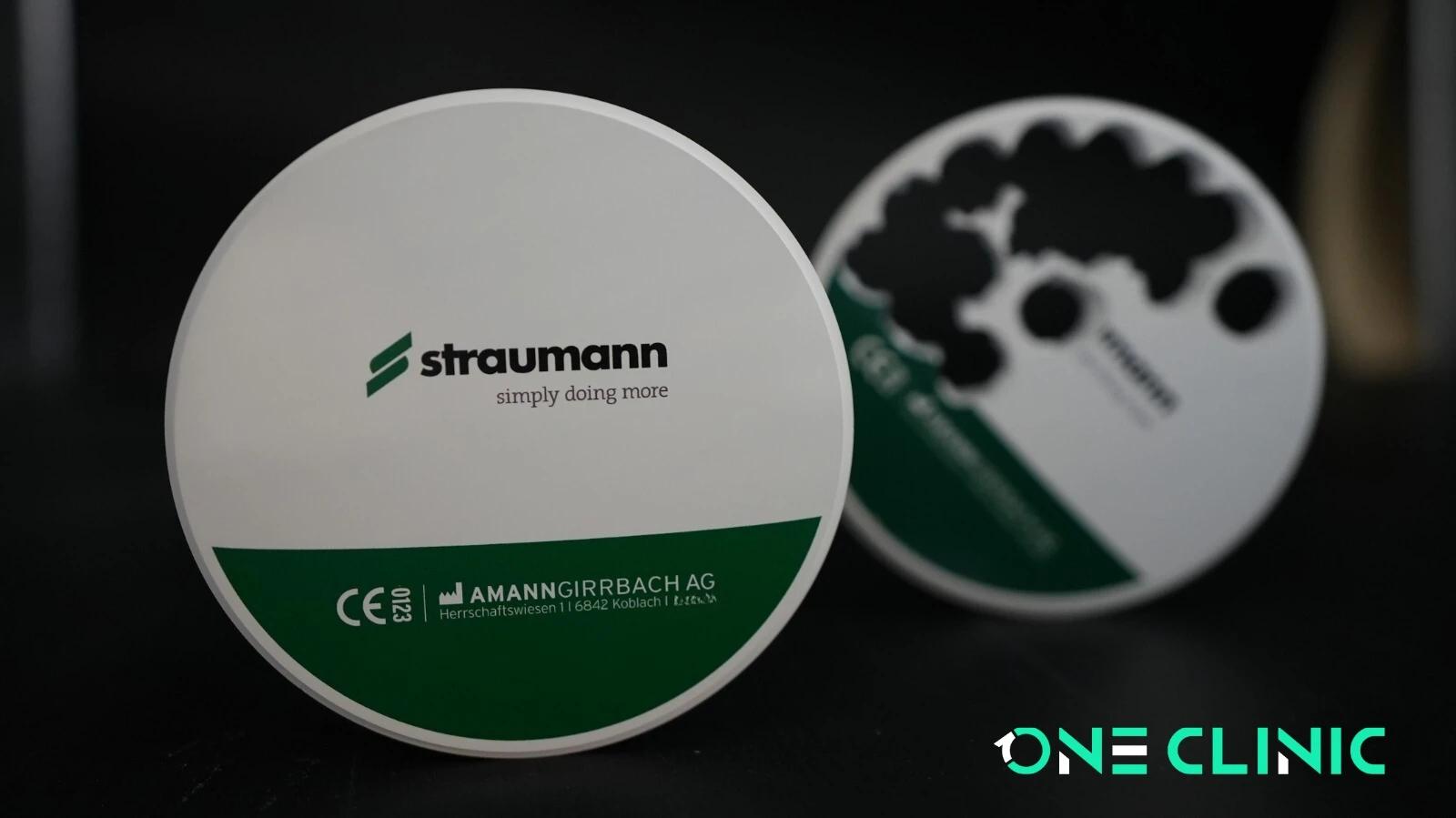
Zirconia crowns for front teeth: pros and cons
When it comes to restoring damaged or discolored front teeth, aesthetics and durability are equally important. Zirconia crowns for front teeth have become one of the most popular choices in modern cosmetic dentistry.
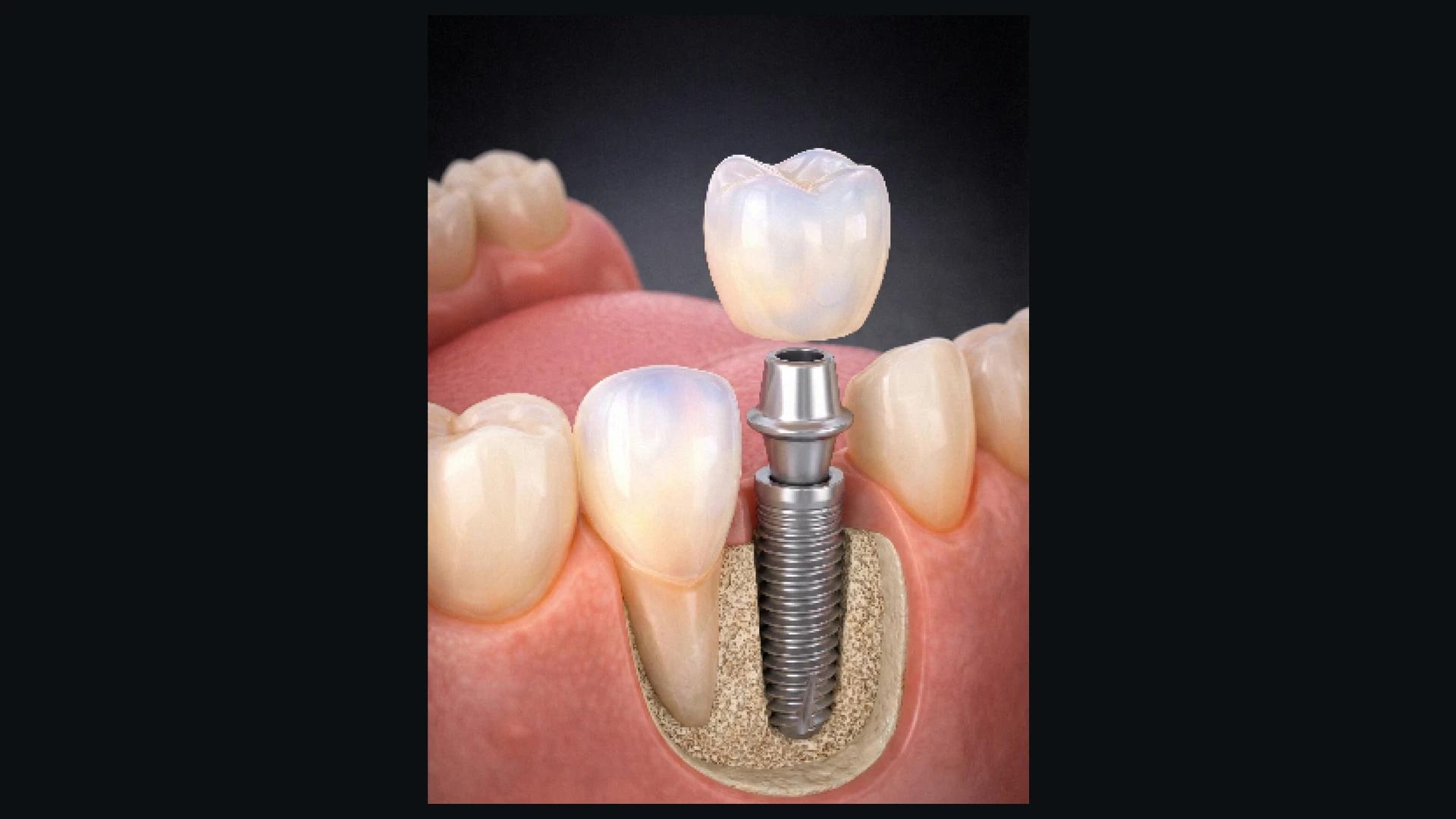
Immediate Dental Implants: Are They Suitable for Everyone? Pros, Cons, and Costs
Tooth loss is a major hurdle that impacts your quality of life, from making chewing difficult to reducing your confidence when smiling. With modern advancements in dentistry, you no longer have to wait several months to get new teeth.
How Long Do Dental Implants Last? Lifespan, Success Rate & Expert Tips
One of the first questions patients ask before choosing dental implant treatment is: The good news is that dental implants are one of the longest-lasting tooth replacement solutions available today. With proper care and professional placement, many implants can last 20 years, 30 years, or for many decades long-term.